
Worldwide Synthetic Biology & Bioengineering Awards
Celebrating the leaders in synthetic biology and bioengineering
Leonardo da Vinci performed at least thirty human dissections over the course of his life, producing anatomical drawings of extraordinary precision that remained the finest in existence for nearly a century after his death. But his purpose was not purely scientific. Leonardo was an engineer studying a machine. He traced the vascular system, mapped the musculature, drew the embryo in the womb and the ventricles of the heart, not to understand life in the abstract, but to understand how life worked. What its mechanisms were, how they were constructed, and what made them so far superior to anything he could build in metal and wood. His insight was that living systems had solved engineering problems with an elegance no human craftsman had yet approached. The appropriate response, he believed, was to study that elegance as rigorously as possible and learn from it.
Synthetic biology has inverted that insight. Rather than dissecting living systems to understand their engineering, it applies engineering to living systems to build things nature never made: organisms that produce medicines, proteins that deliver therapeutics directly to diseased cells, metabolic pathways redesigned to synthesize materials at scale, genetic circuits that compute inside living cells, and biological sensors that detect pathogens, pollutants or disease biomarkers with specificity no chemical assay can match.
It is, in the most direct sense, the realization of Leonardo’s intuition: that if you understood life’s machinery well enough, you could one day design with it.
The DaVinci Awards® celebrates the organizations advancing that field — the scientists, engineers and product developers who are translating the principles of synthetic biology and bioengineering into products, therapies, materials and platforms with genuine commercial, medical and environmental value.
Worldwide innovation awards
how have you excelled?
Synthetic biology and bioengineering is among the most rapidly evolving fields in science and technology. The tools available to practitioners today — precision gene editing, AI-assisted protein design, automated DNA synthesis, high-throughput directed evolution, cell-free expression systems — would have been science fiction a generation ago. The result is a field that is simultaneously producing fundamental scientific advances and commercially deployed products across a remarkable range of industries.
In medicine, engineered cell therapies are treating cancers that were previously untreatable; gene editing platforms are entering clinical use for inherited diseases; and engineered microbes are producing complex therapeutics at a fraction of the cost of conventional chemical synthesis. In materials science, biosynthetic routes are replacing petrochemical processes to produce polymers, coatings, adhesives and textiles with performance properties that synthetic chemistry cannot match. In agriculture, engineered microorganisms are fixing nitrogen in soil without synthetic fertilizer, and precision fermentation platforms are producing food proteins, fats and flavor compounds at scale. In environmental applications, engineered organisms are remediating contaminated soil and water, sequestering carbon, and detecting pollutants in real time.
The DaVinci Awards® recognizes the full value chain of this innovation. Entries are welcomed from biotechnology companies at any stage of commercialization: from synthetic biology tool and platform developers enabling the broader field, to early-stage companies with demonstrated laboratory results, to organizations with products in clinical trials or commercial production. The award is equally interested in enabling infrastructure (the DNA synthesis platforms, gene circuit design tools, and high-throughput screening systems that accelerate discovery across the field) and in the end-product applications those platforms make possible.
If your organization is engineering biology to solve a problem that chemistry, materials science or conventional manufacturing cannot — a DaVinci Award® could be yours.

Worldwide innovation awards
Areas of Interest
The DaVinci Awards® recognizes outstanding feats of human ingenuity and scientific innovation in synthetic biology and bioengineering. Entries are welcomed from individuals, teams, startups and established enterprises based anywhere in the world. Areas of interest include, but are certainly not limited to:
Impress the judges
Ingenuity of Scientific & Engineering Approach
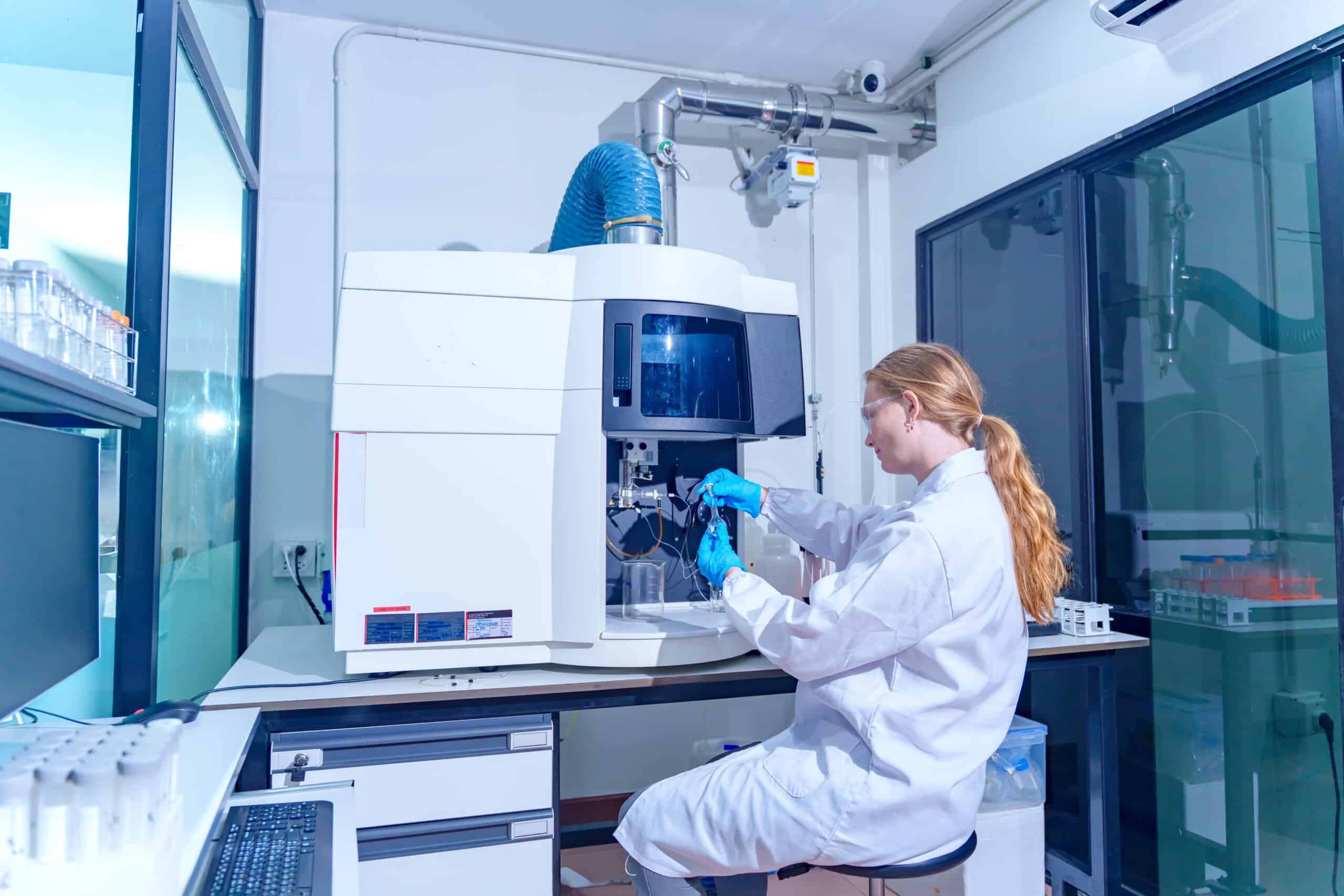
Synthetic biology and bioengineering sits at the intersection of molecular biology, genetics, biochemistry, computational science and engineering — and the DaVinci Awards® judges assess submissions across that full breadth. Show the thinking behind your innovation: what biological, biochemical or engineering challenge was addressed, why existing approaches were insufficient, and what scientific or design decisions produced your breakthrough. Entries that demonstrate genuine originality — a novel gene circuit architecture, a directed evolution strategy yielding a protein with previously unachievable function, a metabolic pathway redesigned to produce a compound that biological systems do not naturally generate, or a manufacturing platform enabling bioproduction at a cost that makes commercial deployment viable — will score strongly on this criterion. Where relevant, experimental data, characterization results and performance comparisons against existing biological or chemical approaches should be provided. Judges in this category have domain expertise in molecular biology, biochemistry and bioprocess engineering; submissions are evaluated on scientific substance and engineering rigor. Responsible innovation is also assessed: biosafety measures, containment strategies and regulatory engagement are not peripheral concerns in this field, and submissions that demonstrate mature thinking about these dimensions will be viewed favorably.
Impress the judges
The Problem Solved
Synthetic biology and bioengineering innovations address problems across an unusually wide range of domains — medicine, materials, food, agriculture, chemicals, diagnostics and environmental remediation — and the DaVinci Awards® evaluates each entry against the specific problem it sets out to solve. Clearly explain what challenge your innovation addresses, who it serves, and what it enables that was previously impossible or impractical. For therapeutic applications, clinical stage, patient population, mechanism of action and — where available — efficacy and safety data all inform the judges’ assessment. For materials and industrial biotechnology applications, the economics of the biosynthetic route relative to conventional chemical or petrochemical production are particularly relevant: a bio-based material that cannot be manufactured at competitive cost remains a laboratory curiosity. For environmental applications, specificity, containment and ecological risk management are central considerations alongside the remediation or sensing performance claimed. Across all sub-categories, judges are interested in the regulatory pathway and the current status of engagement with relevant authorities, since regulatory viability is a fundamental dimension of whether a synthetic biology innovation constitutes a real-world product or remains a promising research result.

Impress the judges
Scalability & Legacy
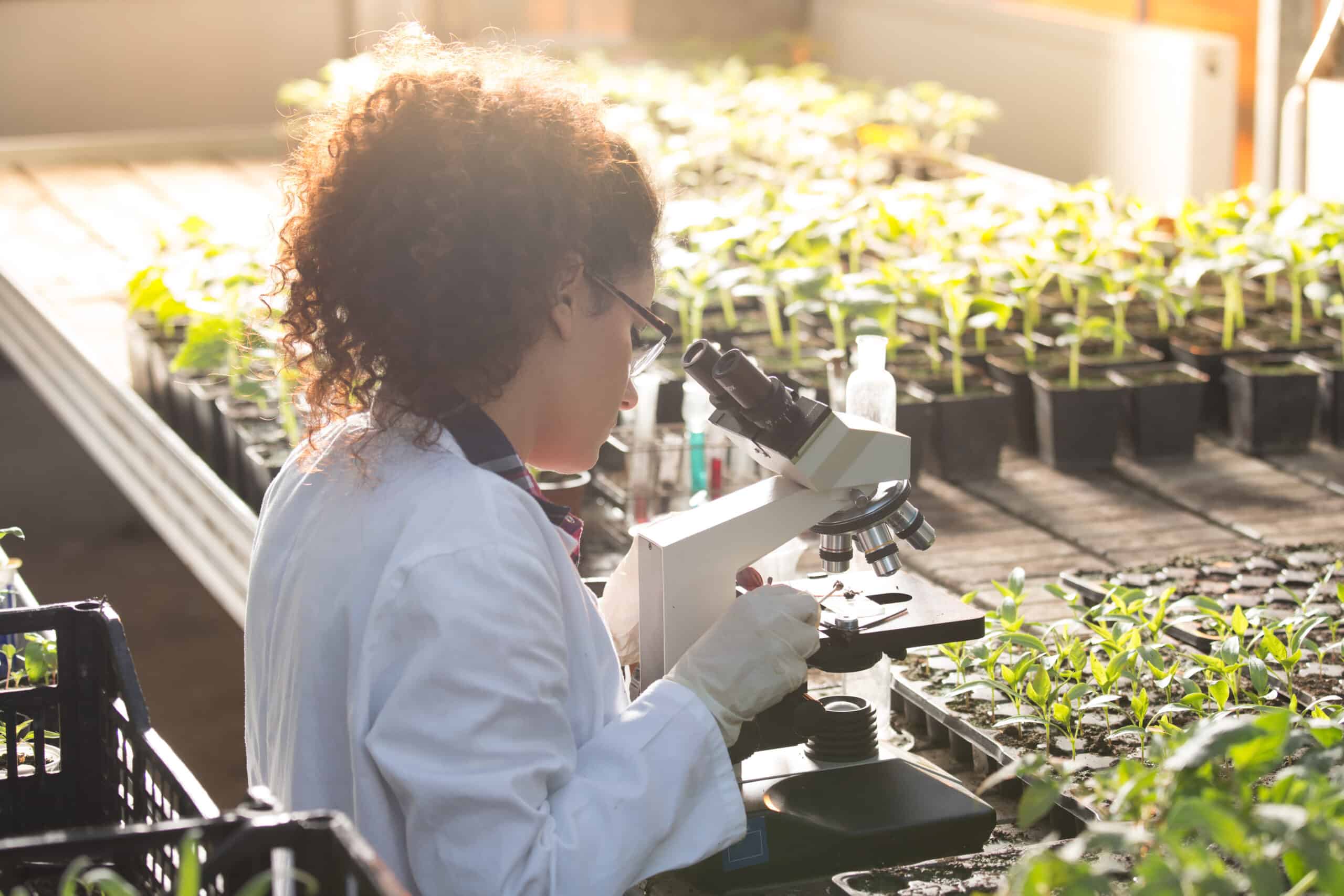
Synthetic biology operates on a distinctive commercialization timeline. The biology that works in a shake flask must be re-engineered to work in a bioreactor. The bioreactor process must be scaled to pilot production. Pilot production must be translated to manufacturing volume. Each step involves substantial process engineering, and organizations that understand this journey — and have made demonstrable progress along it — are strong candidates for DaVinci recognition. Describe your innovation’s current commercial readiness: laboratory demonstration, pilot-scale production, limited commercial supply, or volume manufacturing. Explain the bioprocess engineering challenges on the path to scale and what work has already been done to address them. For platform technologies — gene editing delivery systems, protein design software, biomanufacturing infrastructure — describe the range of downstream applications your platform enables and the breadth of the ecosystem already building on it. The DaVinci Awards® is most interested in innovations whose influence on medicine, materials, food or the environment will still be felt decades from now: the protein engineering platform that redefines what enzymes can do, the cell therapy manufacturing process that makes curative medicine accessible at scale, the biosynthetic route that permanently displaces a petrochemical process. Entries that demonstrate a clear understanding of the long-term significance of their work, and a credible strategy for realizing it, will score most strongly in this criterion.
Leaders in advanced synthetic biology & bioengineering
Spotlights
Participate to become featured.
Winners’ rewards
Promoting your success
Winners may make full use of The DaVinci Awards® hallmark of excellence, linked to your level of accreditation, on all relevant materials.


All winners also receive a DaVinci Awards® trophy, and substantial press opportunities working in partnership with our editorial team. Find out more.