Worldwide innovation awards
Celebrating the leaders in environmental monitoring and conservation technology
In 1502, Leonardo da Vinci produced a map of the town of Imola that stopped contemporaries cold. Where every previous cartographer had drawn towns from the side: a silhouette of walls, towers and rooftops seen from the ground… Leonardo rendered Imola from directly above, as if suspended in air. Every street, every city block, every building footprint was recorded with such geometric accuracy, modern surveys have found his measurements correct to within a few meters. To produce it, he walked the town systematically with a compass he designed himself, recording bearings and distances, and assembled the resulting data into an overhead projection no one had ever attempted before.
It was, in the most direct sense, the precursor to remote sensing. Leonardo understood that to truly know a place, in a way that allowed you to reason about its structure, plan its defense, manage its resources or understand how water would flow through it in flood, you had to observe it completely, from a perspective that rose above the partial and the local. You had to see the whole system at once.
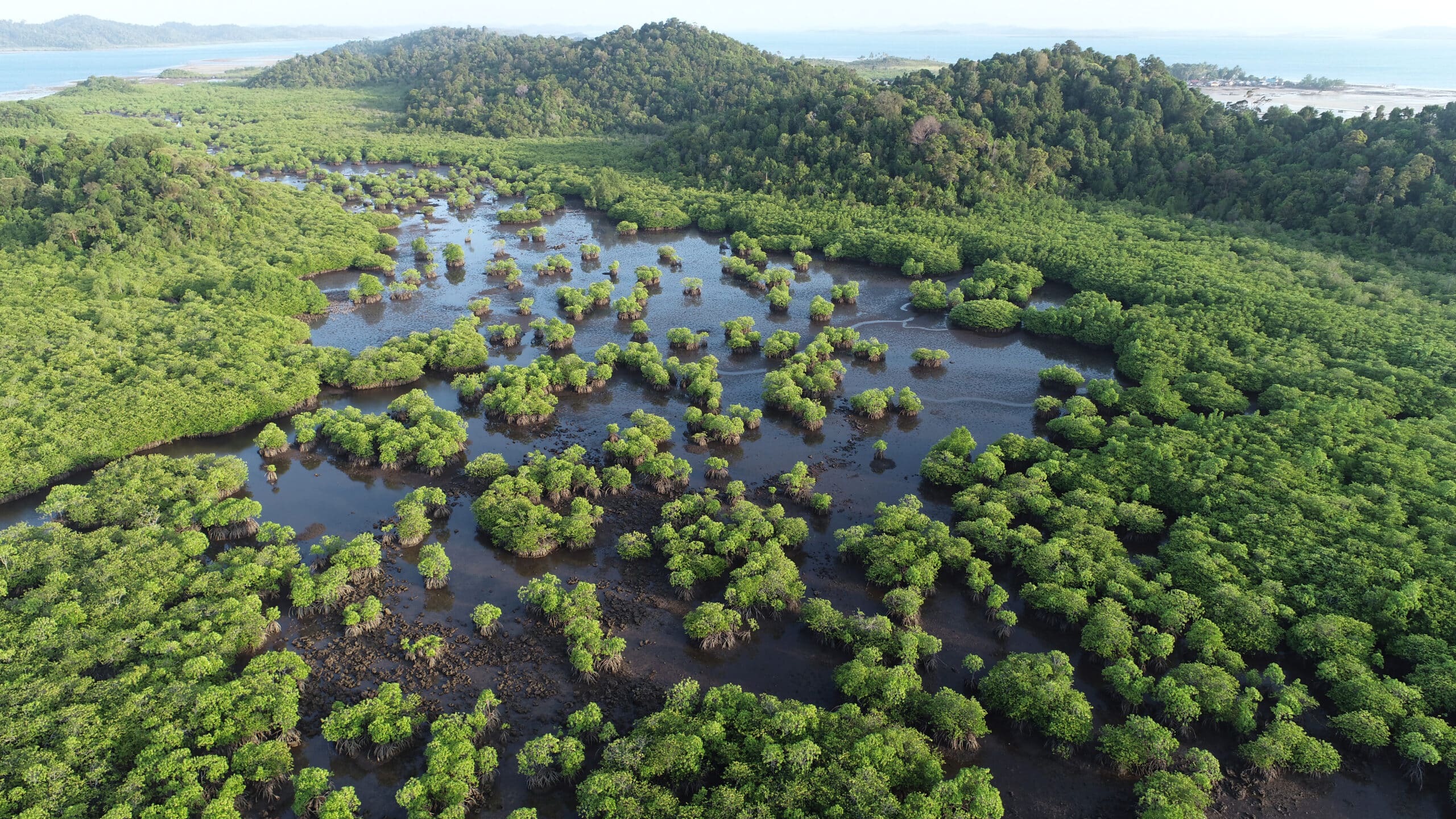
Environmental monitoring begins with the same conviction. The natural world is a system of systems — atmospheric, oceanic, terrestrial, biological — and its condition can only be understood through measurement: persistent, distributed, precise, and assembled into a picture broad enough to reveal the patterns that no single observation could show. The organizations building the tools, platforms and methods that make that picture possible are doing work of extraordinary consequence. The DaVinci Awards® exists (in part) to recognize it.
Worldwide innovation awards
how have you excelled?
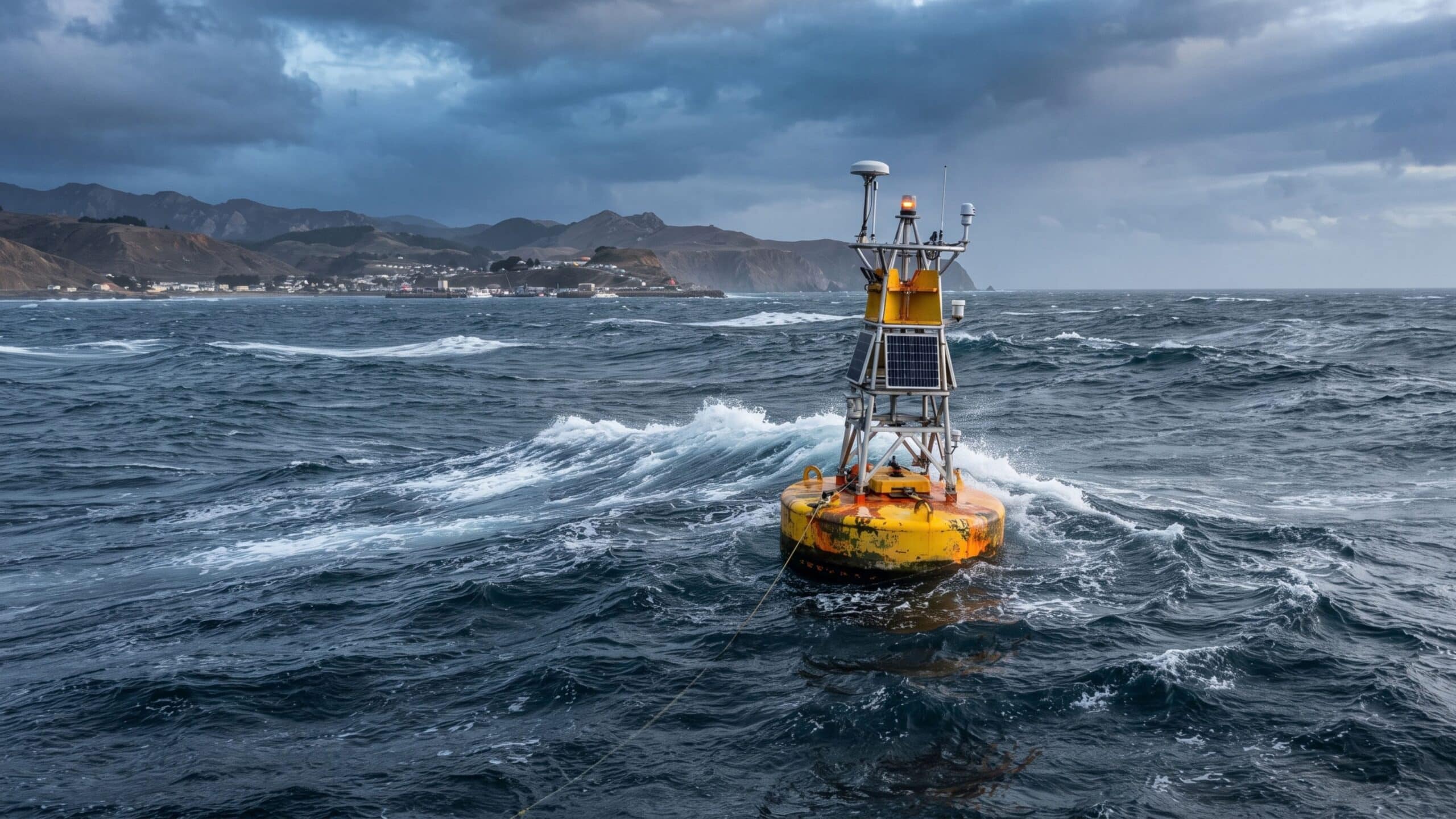
The capacity to monitor the natural environment has been transformed over the past two decades by a convergence of technologies that Leonardo would have recognized as precisely the tools his Imola project lacked: satellite imaging capable of resolving individual trees in a forest canopy, sensor networks dense enough to track air quality block by block in a city, acoustic monitoring systems identifying individual animal species from their vocalizations, even environmental DNA techniques detecting the presence of a species from a water sample without ever seeing the animal itself. The result is an unprecedented capacity to observe the state of the natural world — and, increasingly, to act on what we observe.
The DaVinci Awards® recognizes the full breadth of this innovation. At the sensing end: the hardware and networks — satellites, buoys, drones, in-field sensors, acoustic arrays — that gather raw environmental data at spatial and temporal scales previously unattainable. At the intelligence end: the platforms, models and analytical systems converting that data into knowledge about the state of ecosystems, species populations, atmospheric chemistry, ocean health, and land cover change. At the action end: the conservation technologies, including anti-poaching systems, habitat restoration monitoring platforms, rewilding management tools, and protected area management software, that translate environmental knowledge into the decisions and interventions needed to protect what is being measured.
Entries are welcomed from hardware developers, data platform builders, conservation technology companies, remote sensing specialists, AI-driven analytics developers and organizations deploying environmental monitoring systems in the field. The award is equally interested in the tools that generate environmental data, the platforms that make it interpretable, and the technologies that enable its application in conservation and environmental management.
If your organization is helping the world see, understand and protect the natural systems on which all life depends — a DaVinci Award® could be yours.
Worldwide innovation awards
Areas of Interest
The DaVinci Awards® recognizes outstanding feats of human ingenuity and technological innovation in environmental monitoring and conservation. Entries are welcomed from individuals, teams, startups and established enterprises based anywhere in the world. Areas of interest include, but are certainly not limited to:
Impress the judges
Ingenuity of Approach
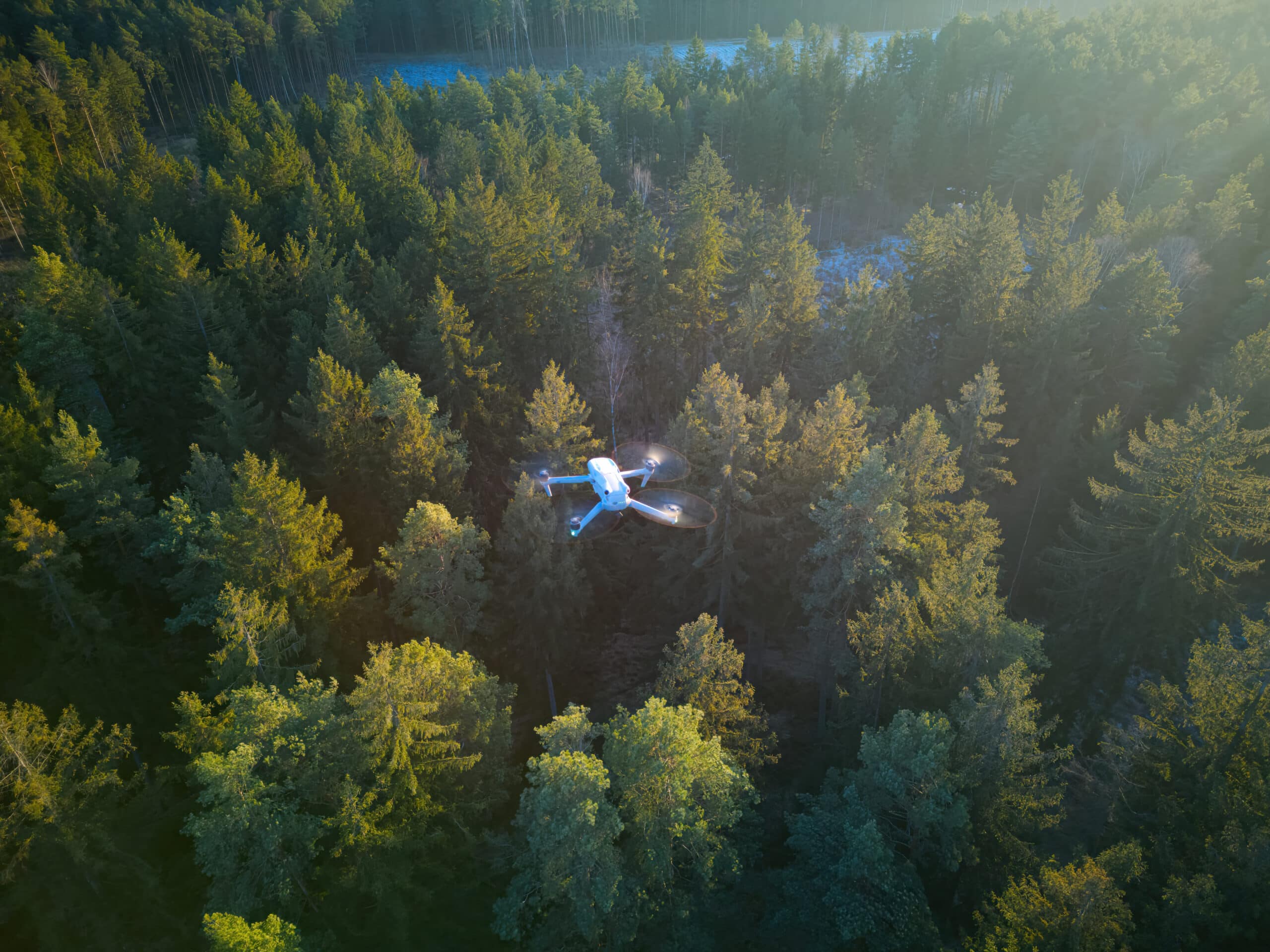
Environmental monitoring and conservation technology spans hardware engineering, data science, ecology, software development and field operations — often in combination, and often in conditions that would stress any of them individually. Show the thinking behind your innovation: what monitoring challenge or conservation problem was addressed, why existing tools or approaches were insufficient, and what technical or scientific decisions produced your solution. Entries demonstrating genuine originality — a sensing system achieving previously unattainable spatial or temporal resolution, an AI model capable of identifying species or detecting change from data types that previously required expert manual analysis, a conservation platform closing the gap between environmental data and management action in a way no previous system had — will score strongly on this criterion. The panel is particularly attentive to the gap between environmental data and environmental impact: technologies that generate impressive data but cannot demonstrate a pathway to conservation or management decisions that would not otherwise have been made are assessed less favorably than those showing a clear chain from measurement to action.
Impress the judges
The Problem Solved
Environmental monitoring innovations address a fundamental asymmetry: the natural world changes on spatial and temporal scales that human observation, unaided, cannot adequately cover. Clearly explain the monitoring gap or conservation challenge your innovation addresses, the scale at which it operates, and why existing methods left it inadequately measured or managed. Quantified performance data strengthens a submission significantly: area covered, detection sensitivity, species identified per unit effort, frequency of measurement, cost per monitoring unit relative to existing methods, or equivalent metrics appropriate to your technology. For conservation applications, the ultimate measure of impact is not data quality but ecological outcome — and submissions that can connect monitoring performance to measurable conservation results (population trends, habitat extent maintained, poaching incidents reduced, restoration targets verified) will be assessed most favorably. Judges are also attentive to the accessibility and interoperability of environmental data: monitoring systems that produce data usable only by their developers contribute less to the field than those whose outputs feed into shared environmental knowledge infrastructure.
Impress the judges
Scalability & Legacy
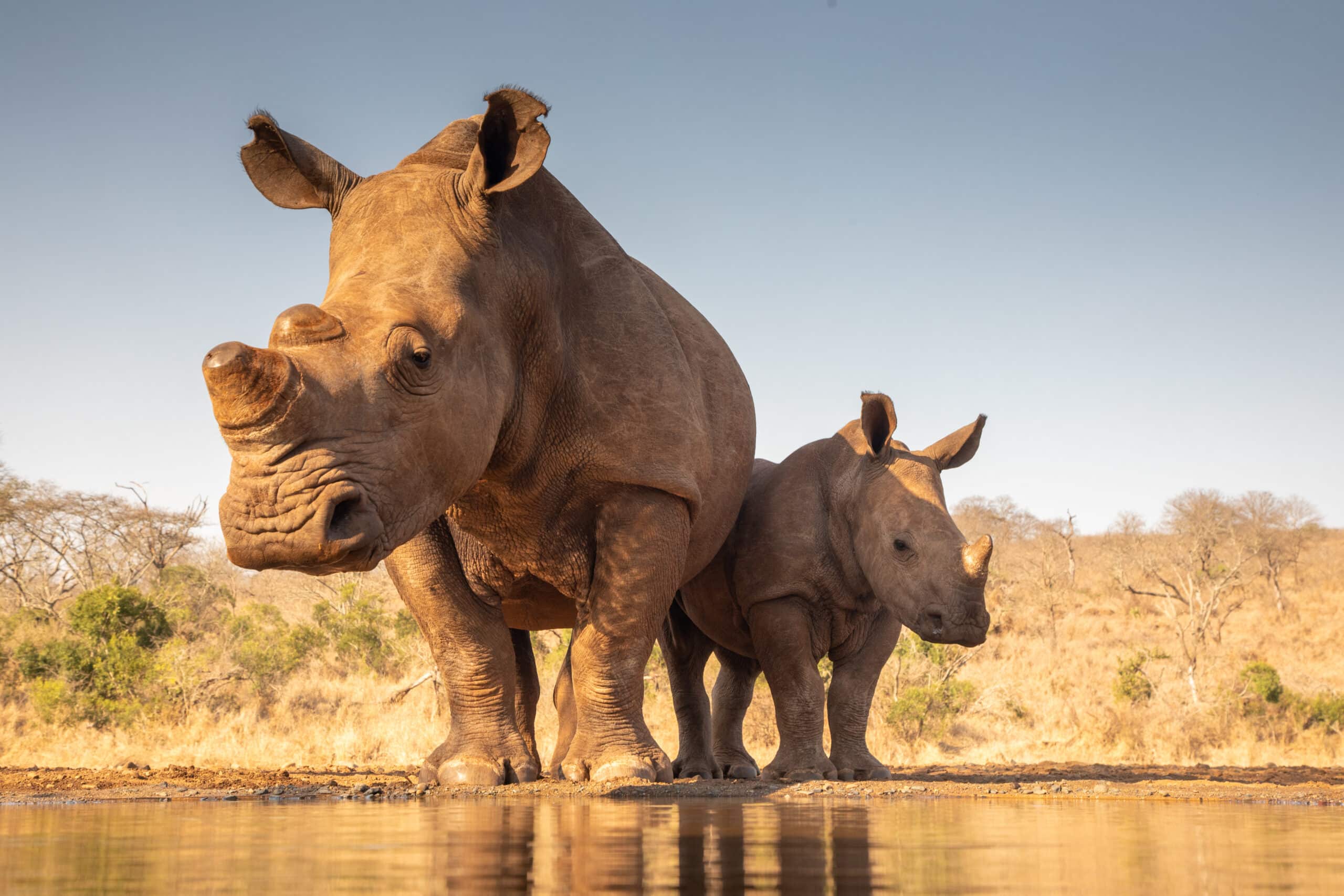
Environmental challenges operate at planetary scale, and the monitoring and conservation technologies that matter most are those capable of operating at equivalent scale, or of providing the template for systems that can. Describe your innovation’s current deployment scope: a single protected area, a river basin, a national network, or a global platform. Explain what is required to extend that scope — satellite capacity, sensor manufacturing scale, data processing infrastructure, regulatory permission, field partnership networks — and what progress has already been made toward it. For data platforms and AI systems, describe the range of environments, ecosystems or monitoring applications the platform addresses, and the degree to which it has been validated across that range. For hardware monitoring systems, explain the manufacturing pathway, the unit economics at scale, and the deployment and maintenance model in the field environments where the technology must ultimately operate. The DaVinci Awards® is most interested in environmental monitoring and conservation innovations with the potential for lasting influence: the sensing platform that becomes the standard for a monitoring application, the data infrastructure that enables a generation of conservation science, the AI system that makes effective protected area management achievable at a cost that allows it to be deployed globally rather than only where conservation budgets are largest.
Winners’ rewards
Promoting your success
Winners may make full use of The DaVinci Awards® hallmark of excellence, linked to your level of accreditation, on all relevant materials.


All winners also receive a DaVinci Awards® trophy, and substantial press opportunities working in partnership with our editorial team. Find out more.