Introduction — A Soda That Defined a Season
At The DaVinci Awards®, we celebrate successes everywhere we see them: whether it’s lifestyle innovations, successful businesses (just starting out, or levelling up on their successes), to products that both change the world… or just make it that little bit more comfy.
How best to categorize that behemoth of soda success, Coca-Cola? For millions around the world, the first sight of Coca-Cola’s red trucks or its signature jingle means one thing: the holidays are here. But this goes far beyond canny advertising. It’s a masterclass in brand legacy, seasonal relevance, and emotional marketing. Coca-Cola is a soft drink wrapped in a feeling, embedding itself into the heart of winter and becoming synonymous with Christmas itself.
We can’t do much better than celebrate a brand that has had such a huge cultural influence. And there are few better examples than Coca-Cola’s enduring connection to Christmas.

Cola syrup. Credit: Zitiiam77 - Wikimedia Commons
The Problem to Solve: Making a Summer Drink Relevant in Winter
In the early 20th century, Coca-Cola faced a challenge: its drink was viewed as a summer refresher, not a winter staple. As temperatures dropped, so did sales. The company needed a way to stay visible, relevant, and even emotionally resonant during the colder months.
The solution was to tie the brand to a holiday that transcends weather. By anchoring Coca-Cola to Christmas, the brand found a way to keep its name and eponymous product top of everyone’s minds whenever people were gathering, gifting, and celebrating.
The Santa Coup: Reinventing Saint Nick for Marketing
In 1931, Coca-Cola made a bold move. The company commissioned Michigan-born artist Haddon Sundblom to create a more human, approachable version of Santa Claus for its advertisements. This wasn’t the austere, wiry Saint Nicholas of folklore. Sundblom’s Santa was jolly, red-cheeked, and unmistakably dressed in Coke’s red and white.
The result was an icon that resonated not just in America, but globally. Coca-Cola’s Santa was warm, cheerful, and emotionally accessible, just like the brand wanted to be.
Cultural Impact: Cementing the Red Suit and the Season

Santa Claus soon became heavily associated with the brand
From 1931 to 1964, Sundblom’s Santa appeared in magazines, posters, calendars, and billboards, helping to popularize the now-universal red-suited Santa Claus. This visual consistency reinforced Coke’s position not only as a beverage brand, but as a cultural curator.
By embracing and amplifying Santa, Coca-Cola gave Christmas a face. A face welcomed to the Christmas table across the globe.
Visual Branding: The Power of Red and White
Coca-Cola’s decision to lean into its red-and-white palette was strategic as well as aesthetic. The colour scheme became so strongly linked with Santa and the holidays that some even falsely credit Coca-Cola with “inventing” Santa’s red outfit.
While the company didn’t invent it, it certainly helped standardize it.
This is the power of repetition and visual branding: core principles for any product designer or brand strategist.
From Print to Pop Culture: The Evolution of Coca-Cola’s Christmas Campaigns
Coca-Cola didn’t stop with Santa. Over the decades, the brand’s holiday campaigns evolved from print ads to TV commercials to digital experiences. Perhaps the most enduring modern icon is the Coca-Cola Christmas Truck, introduced in 1995.
Accompanied by the jingle “Holidays Are Coming,” the glowing trucks became a recurring symbol of seasonal joy, rolling across screens (and real towns) each December.
This evolution reflects an important brand lesson: consistency breeds legacy, but adaptation ensures enduring relevance.
Globalization Through Storytelling
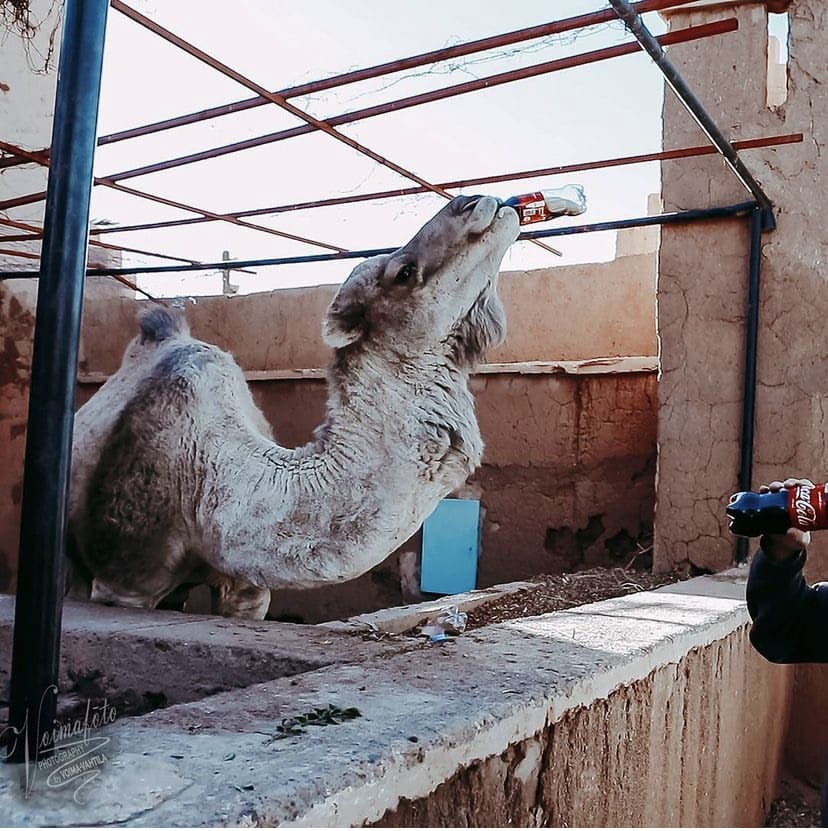
A camel, drinking a Coke. Source: Zinelife05, Wikimedia Commons
What began as a domestic marketing effort turned into a worldwide phenomenon. Coke’s holiday campaigns translated across languages and cultures because they were rooted in emotion, rather than simple product specs. This was the universal comfort of concepts such as Joy. Nostalgia. And Togetherness.
This global appeal positioned Coca-Cola as a holiday tradition.
Lessons for Brands and Product Designers
Coca-Cola’s Christmas legacy offers clear insights for any business seeking seasonal resonance or cultural stickiness:
- Design with emotion, not just function.
- Find an anchor in tradition, but reinvent periodically.
- Use colour, music, and imagery to build memory cues.
- Embed your product in rituals, not just purchases.
Coca-Cola didn’t just advertise at Christmas, but actually helped define it.
Modern Challenges: Sustainability and Changing Expectations
Today’s consumers are more conscious. Health, sustainability, and authenticity have joined nostalgia on the Christmas agenda. Coca-Cola has adapted with more eco-friendly packaging, low- and no-sugar options, and a greater emphasis on community giving in holiday campaigns.
But it still leans on its core brand codes: red, joy, Santa… and sparkle!
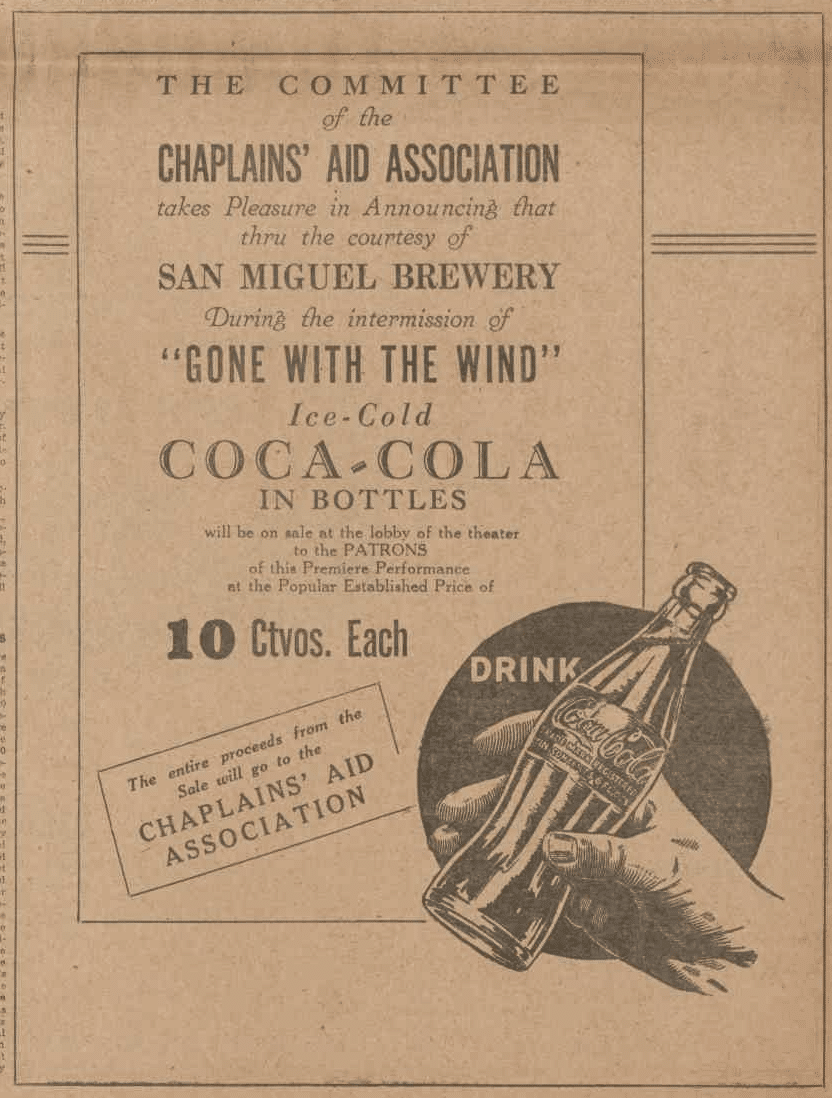
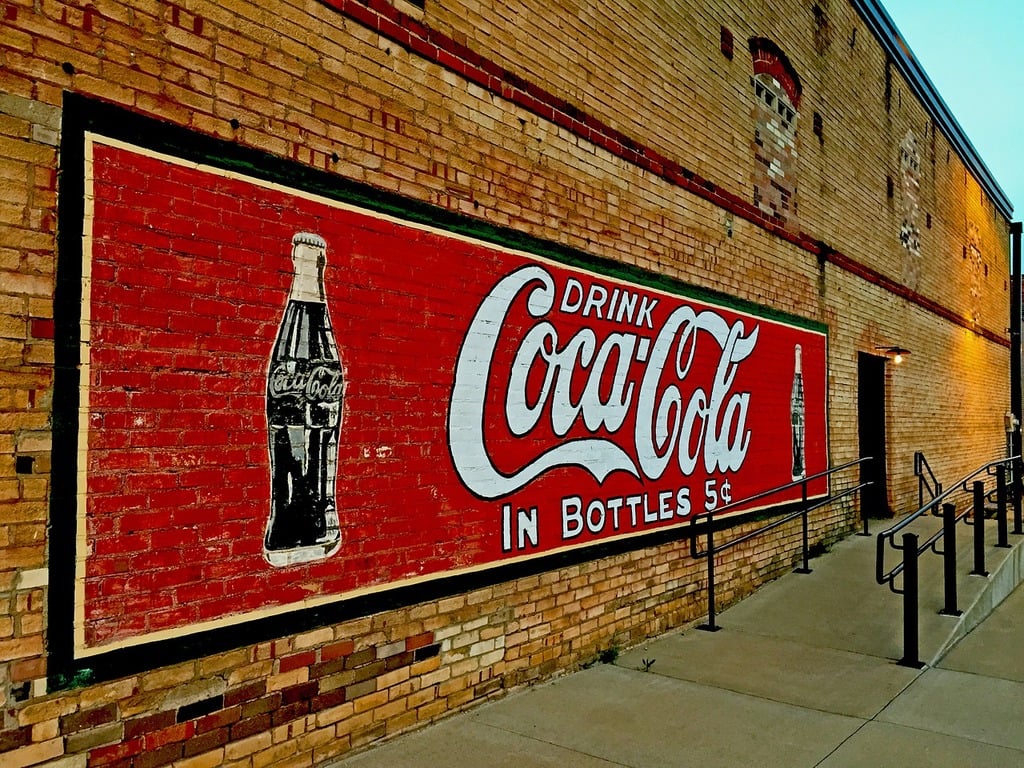
Vintage Coke advert. Source: Wikimedia Commons
Conclusion: How to Make a Product Seasonal and Timeless
The Coca-Cola Christmas story isn’t just about selling soda. It’s about building a brand bigger than the product. Through design, emotion, consistency, and clever storytelling, Coca-Cola created a marketing blueprint that many have followed, but few have matched.
At The DaVinci Awards®, we recognise the innovators who embed themselves in culture, define category norms, and evolve with purpose.
Coca-Cola didn’t invent Christmas, but it certainly helped shape what it looks and feels like. Happy holidays!