Introduction: The Guide That Changed the Game
From a free motoring handbook to the most respected restaurant rating system in the world, the Michelin Guide is a masterclass in brand-building, service design, and global authority. Created by a tyre company seeking to boost car travel, the guide has grown into a powerful force shaping fine dining, hospitality strategy, and tourism economies.
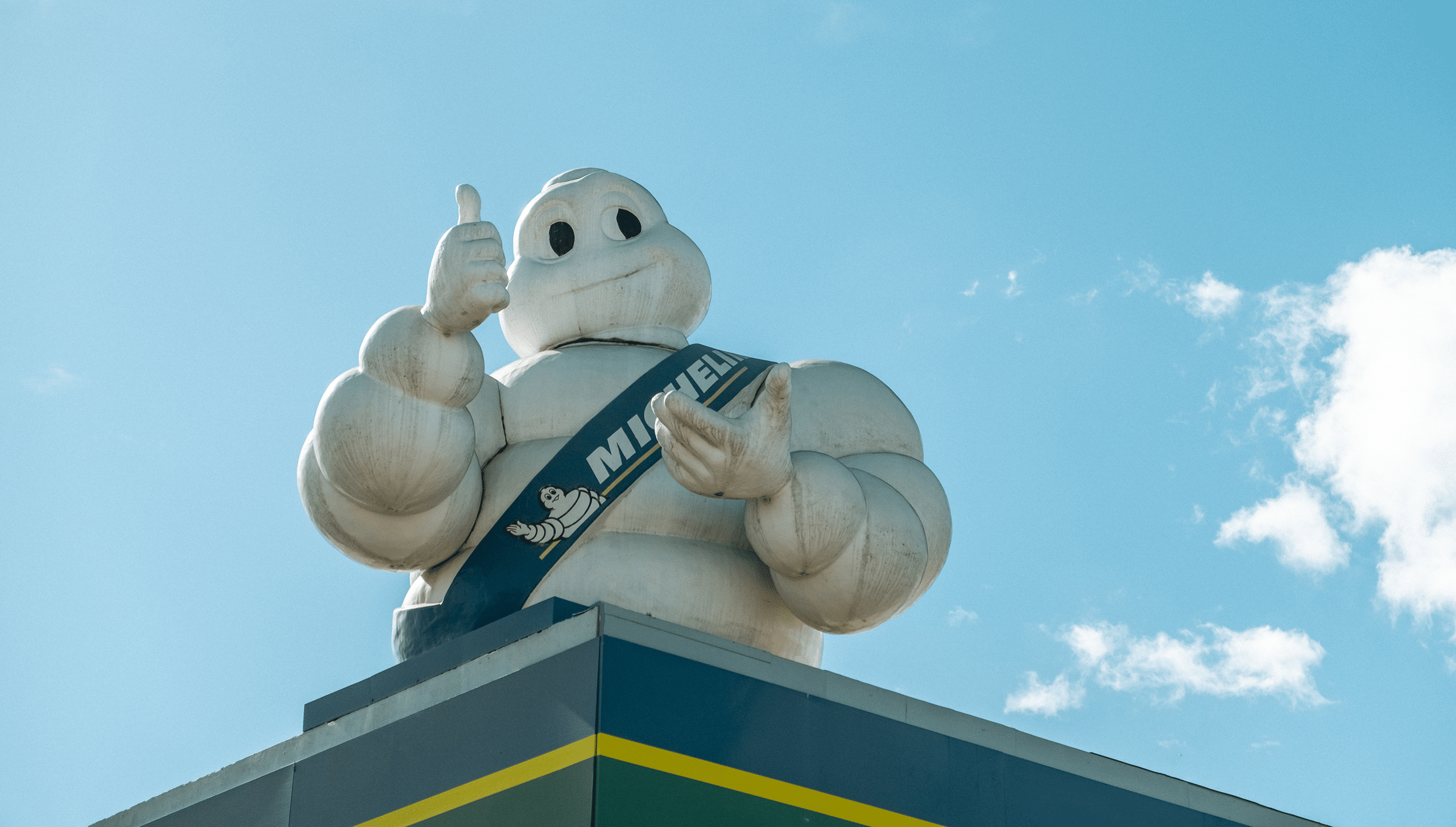
Michelin Man Mascot. Credit: alexanderon - stock.adobe.com
A Brand-Building Origin Story
Founded in 1900 by Édouard and André Michelin, the original Michelin Guide aimed to encourage French motorists to take to the roads (more travel meant more tire purchases!) It offered maps, tips for mechanics, and lists of places to eat and sleep. The very raison d’être, then, of the Michelin guide was not really to seek out and identify fine food: it was to encourage motorists to burn rubber.
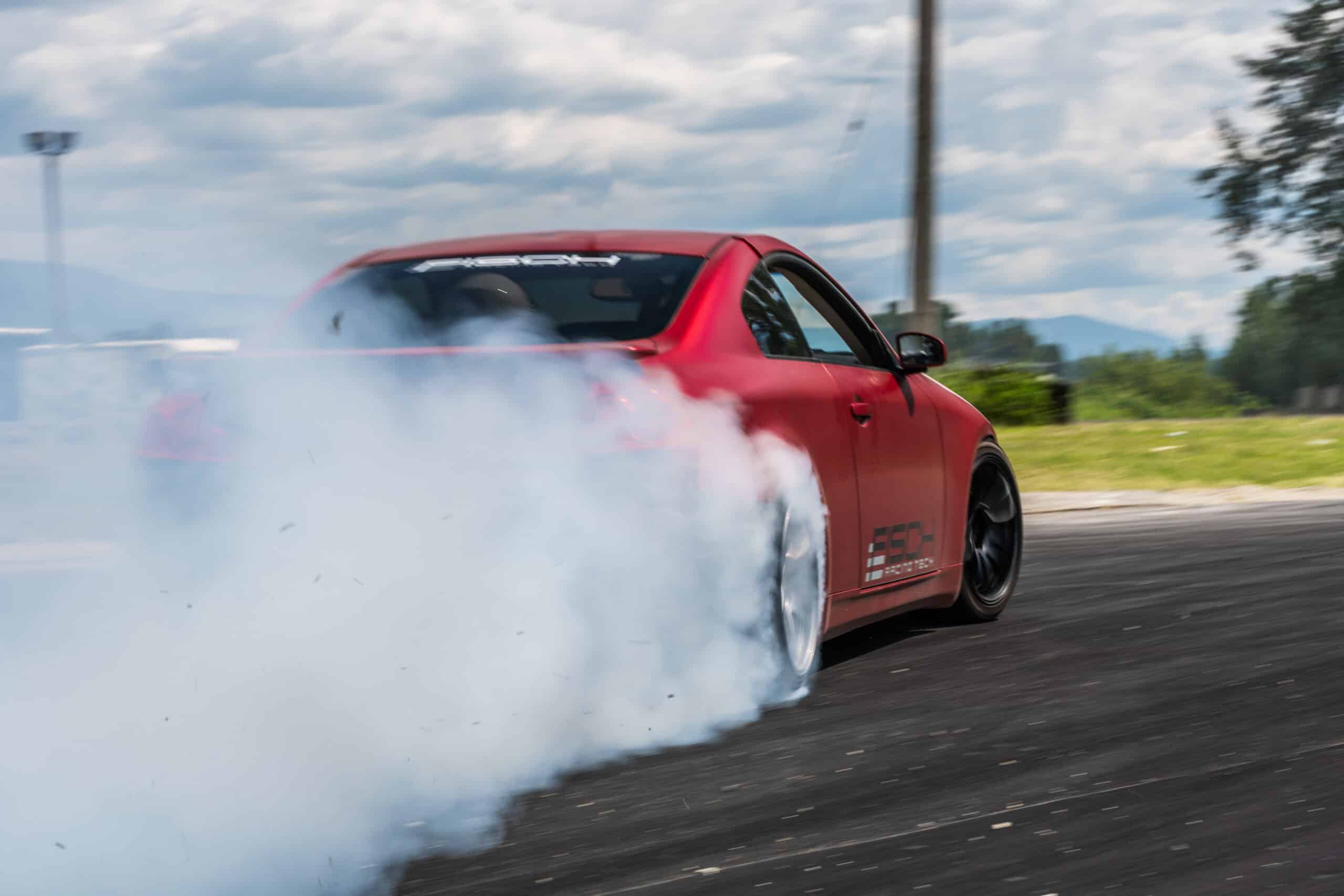
The Michelin guide was made to burn rubber.
From Freebie to Authority: The Paid Guidebook Era
In 1920, Michelin began charging for the guide to preserve its perceived value, and in 1926, it introduced its first star rating system for restaurants. By 1931, the now-familiar three-star hierarchy had been established.
The Star System: Simplicity Meets Global Power
The star rating soon became iconic.
The three-star system — “worth a stop,” “worth a detour,” “worth a special journey” — is a model of elegant UX. It’s intuitive, emotional, and scalable. For restaurateurs, a single star can transform bookings, staffing, and valuation.
Inspection as Product: Rigor, Secrecy, and Trust
Michelin’s anonymous inspectors are trained for years, follow strict guidelines, and operate under deep secrecy. Their consistency underpins the guide’s authority.
It wasn’t long before anyone operating a ‘serious’ restaurant, anywhere in the world, came to experience a heady mix of hope and fear that they may be visited by ‘the man from Michelin.’ Naturally, as well as dispensing stars, restaurant assessors can take them away.
Economic Impact: Tourism, Branding, and City Prestige
Cities compete for Michelin stars. Restaurants see revenue spikes, and local tourism boards often co-sponsor new guide editions to boost regional visibility. It’s no longer just about food (or even tires…) but an economic development tool.
Criticism and Change: Bias, Inclusivity, and Expansion

Although expanded to cover the globe, this street food is from Michelin's home of France.
Critics have questioned the guide’s historical Eurocentrism, lack of diversity, and failure to adapt to casual dining trends. In response, Michelin has broadened its reach to include street food, sustainability awards, and culinary diversity.
Brand Stretch: From Guide to Experience Ecosystem
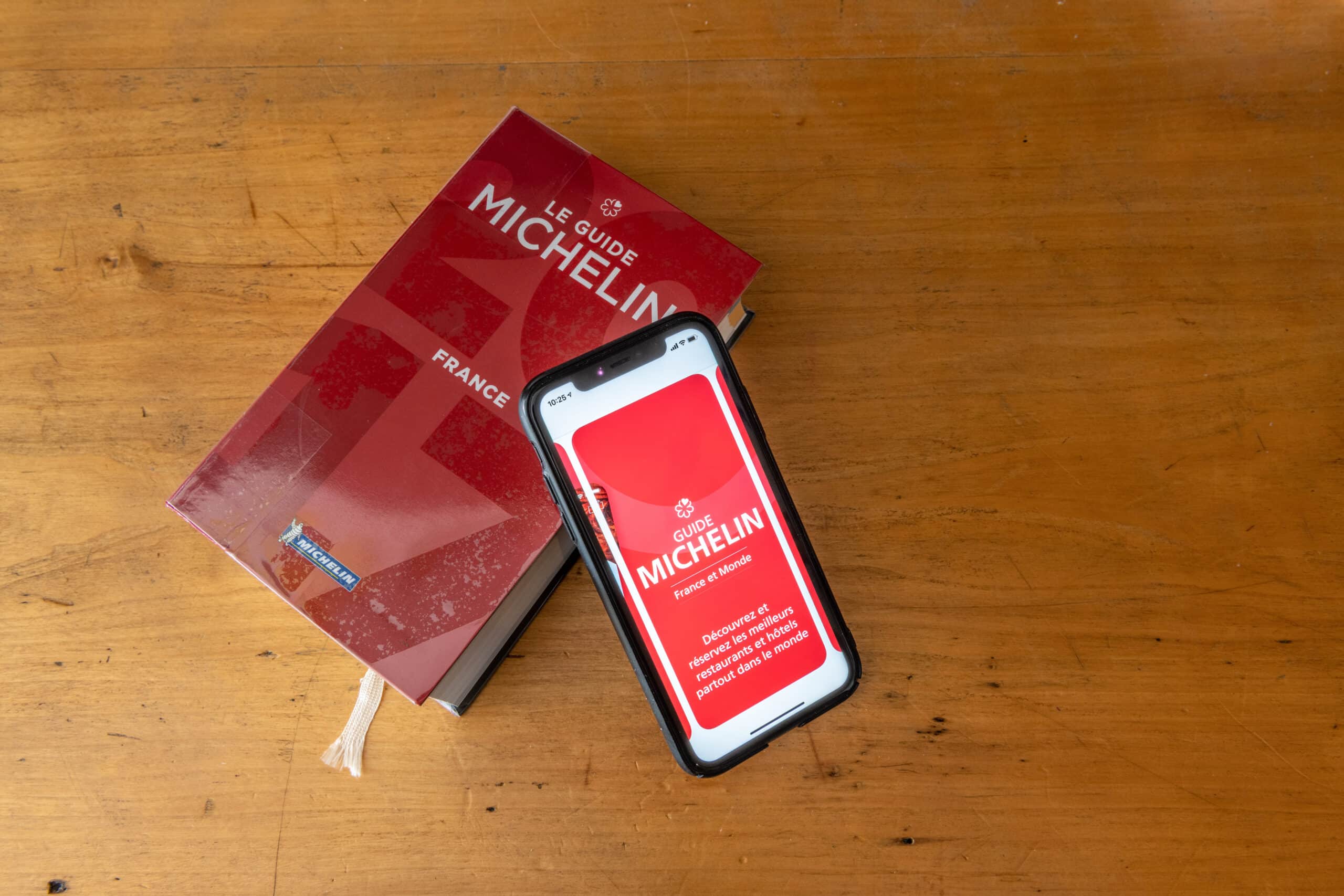
Michelin guide and app. Credit: Pixavril, stock.adobe.com
The Michelin Guide is no longer just a printed list. It’s a mobile app, a website, a media brand, and even a restaurant festival partner. The star system has extended to hotel curation as well.
Lessons for Business Leaders and Product Designers
- Add value beyond your core product (tyres → tourism)
- Make your standards the industry standard
- Turn expertise into experience (inspectors → trust → UX)
- Be first, be bold, and stay relevant

Michelin stickers in a restaurant window. Credit: Aleksandr Fedosov - stock.adobe.com
Conclusion: A Standard Worth Following
What makes the Michelin Guide extraordinary is not just its star system, but its total commitment to excellence, objectivity, and relevance. It is a brand that defined a category and created a new form of authority.
At The DaVinci Awards®, we celebrate the same spirit of lifestyle innovation, service excellence, and global influence. Michelin may have started with tires, but it ended up driving a global standard in taste, trust, and transformative business thinking.