A case study of the zipper, or zip, and how YKK zippers are everywhere.
It’s on your jeans, your jackets, your gym bags and laptop sleeves. The zipper is simply ubiquitous. Yet this deceptively simple fastening system is one of the most transformative inventions of the modern industrial era: a triumph of mechanical ingenuity, materials engineering, and manufacturing scalability.
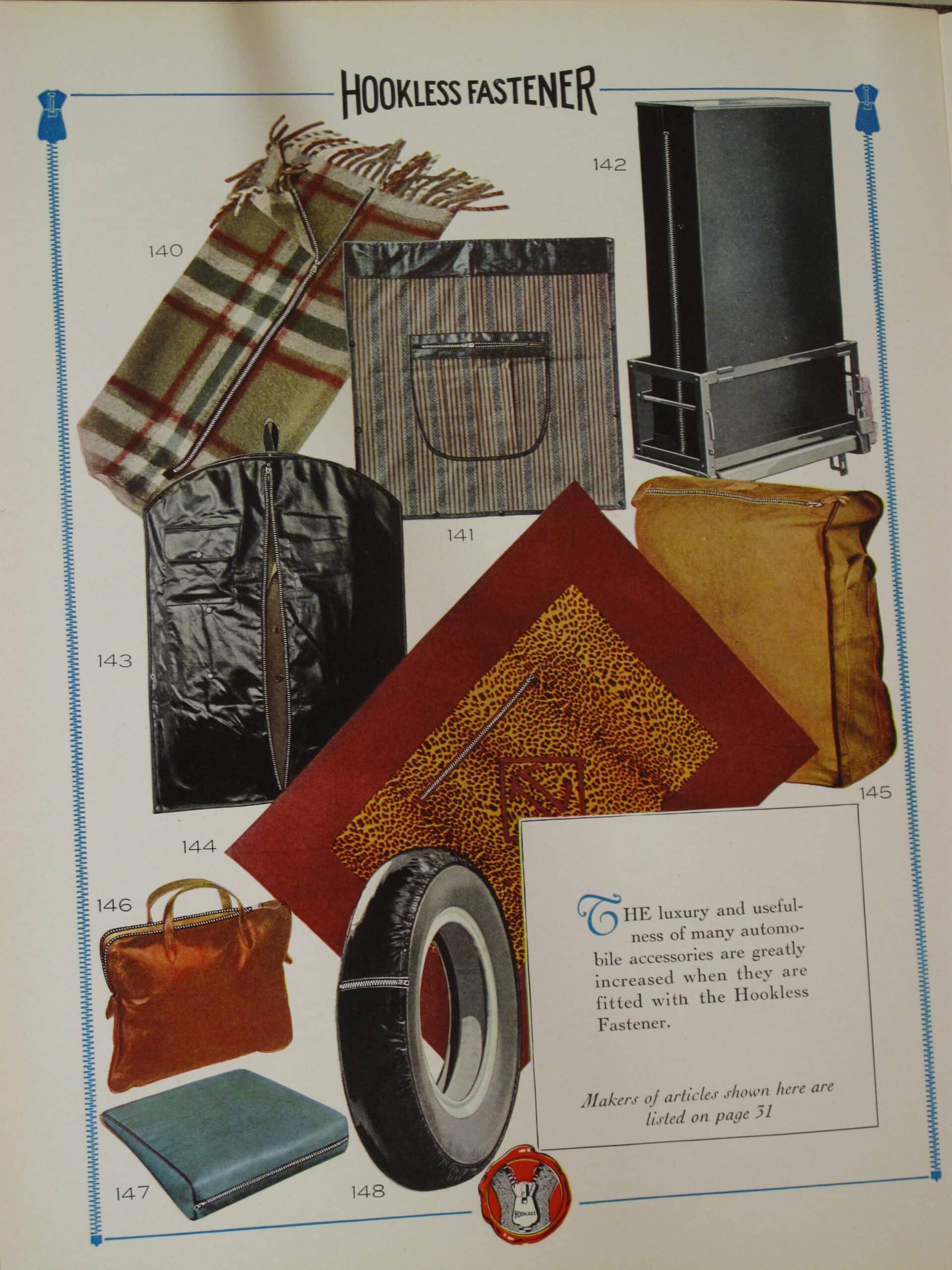
Early zipper advertisement. Source: Smithsonian
From early prototypes that baffled consumers to its global dominance in apparel, luggage, and even aerospace, the zipper is a slow-burning success story of innovation and industrial persistence.
Before the Zipper it was Buttons, Hooks and Struggles
Before the zipper, clothing was fastened using buttons, hooks, laces, and clasps. While often decorative, these systems were time-consuming and unreliable. Victorian boots, for example, required dozens of buttons, each fastened by hand with a hook.
The inefficiencies in fastening weren’t just a personal inconvenience in many applications. They hindered speed, safety, and even industrial uniform design. So vast and widespread is their application across the globe today, it’s difficult to imagine the cumulative hours saved.
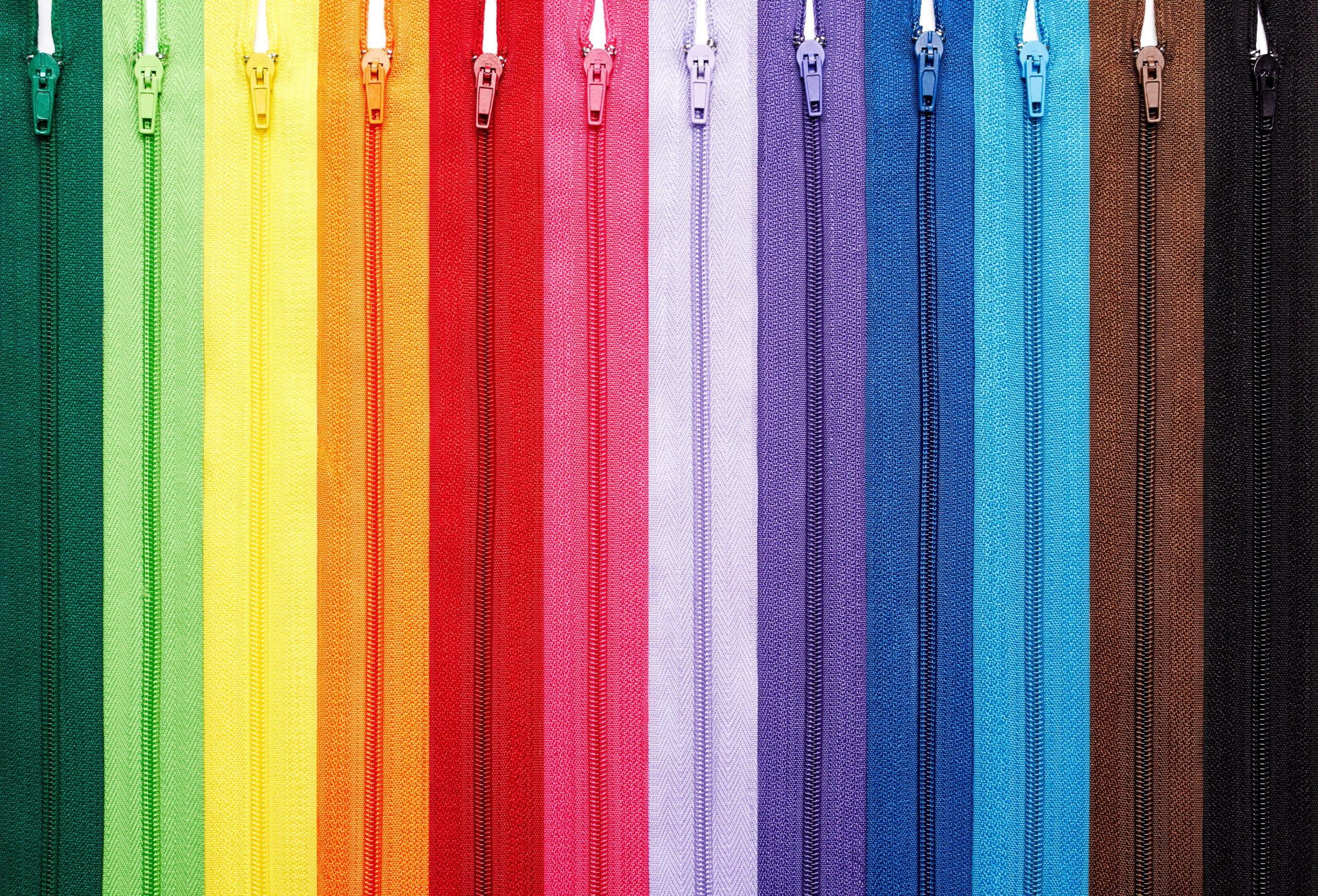
Multicolored zippers
The First Iteration: Whitcomb Judson’s ‘Clasp Locker’
The zipper’s origin dates back to 1893, when American inventor Whitcomb Judson introduced the “Clasp Locker” at the Chicago World’s Fair. Designed to fasten shoes, it was a complex system of hooks and eyes operated by a sliding mechanism.
Though commercially unsuccessful, Judson’s device marked the first real attempt to mechanise closure, and he soon founded The Universal Fastener Company to continue development.
Gideon Sundback and the Modern Zipper

A modern zipper
The real breakthrough came from Swedish-American engineer Gideon Sundback, who dramatically improved Judson’s design between 1913 and 1917. Sundback introduced interlocking metal teeth and an efficient slider mechanism, laying the groundwork for the zipper as we know it today.
Naming the Zipper: The B.F. Goodrich Moment
The term “zipper” wasn’t coined by an inventor but by a marketer. In the 1920s, the B.F. Goodrich Company used Sundback’s fastener on a new type of rubber boot and dubbed it the “zipper” to evoke speed.
Though originally trademarked, the word quickly entered the general lexicon, reinforcing the fastener’s brand-free ubiquity.

Closeup of a zipper
The Zipper Goes to War: Military Adoption
World War II catalysed zipper adoption on a massive scale. Military applications demanded speed, reliability, and mass production, from flight suits to tents and parachutes. The zipper, of course, delivered on all fronts.
This period cemented the zipper as a practical, scalable solution in both military and civilian manufacturing.
Industrialization and YKK’s Rise to Dominance
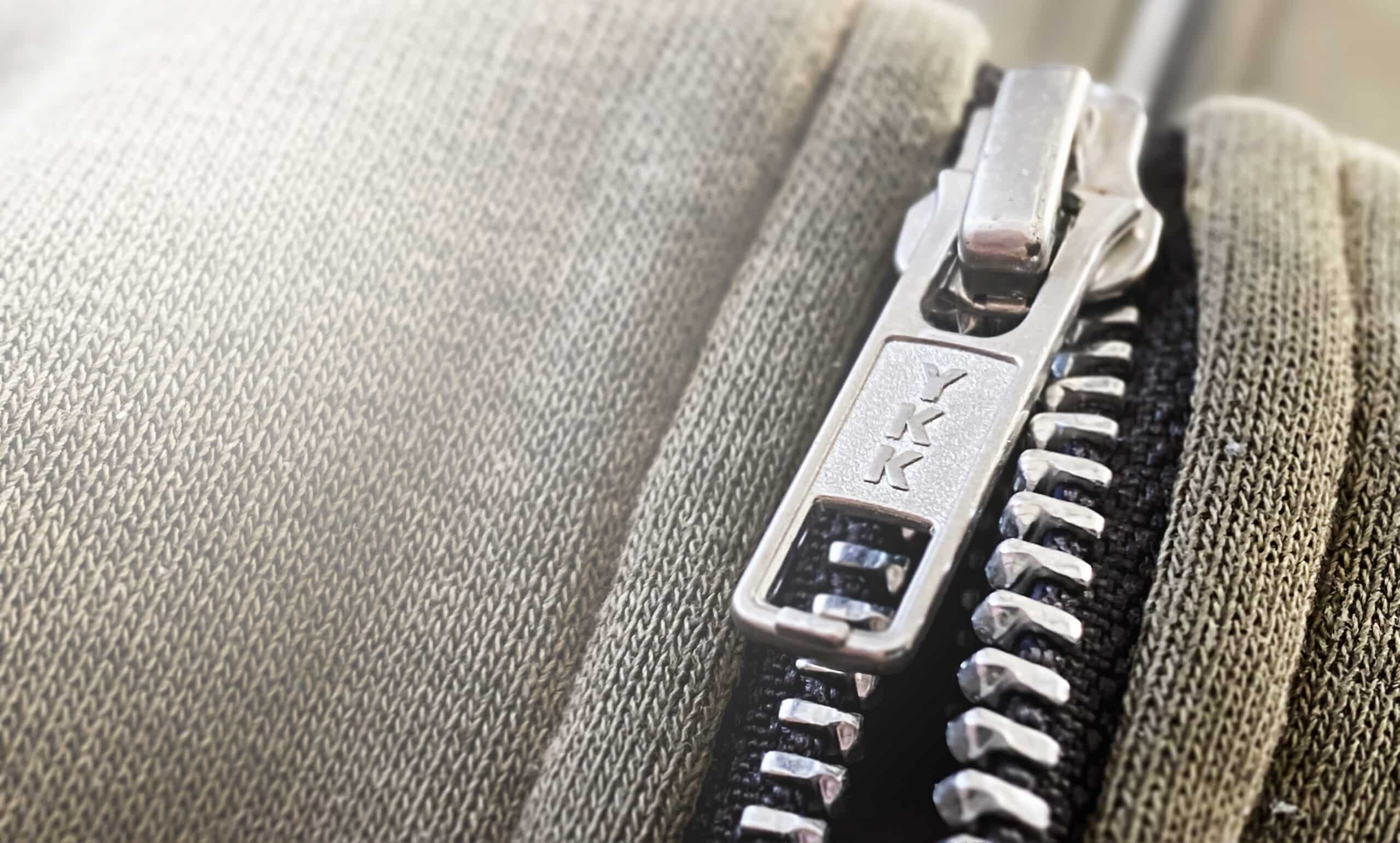
The post-war consumer boom and global fashion expansion created a gold rush in fastener production. While many players emerged, one company quietly came to dominate: YKK (Yoshida Kōgyō Kabushikigaisha), founded in Japan in 1934.
A great example of a natural monopoly, YKK has continued to innovate and invest in the industrial manufacture of zippers.
Zippers in Fashion, Aerospace, and Innovation

Soldier with a zipped bag
Beyond clothing, zippers found uses in automotive upholstery, luggage, medical devices, and even NASA space suits. Designers embraced zippers for both function and statement, from leather jackets to haute couture.
Its aesthetic as a “visible mechanism” gave designers a way to contrast industrial with personal, utility with fashion.
The Future of the Zipper: Sustainability and Materials
Today’s innovation in zippers involves recycled materials, bio-based plastics, and even magnetic or self-sealing closures. Companies like YKK have launched eco-conscious lines, such as Natulon, made from PET bottles.

Windfarm engineer using his jacket zipper
The zipper remains a testbed for high-volume, low-margin innovation with global consequences.
Lessons for Product Designers
What can today’s innovators learn from the humble zipper?
• Don’t expect overnight success: It took decades for zippers to reach mass adoption.
• Small things, big impact: The zipper improved millions of products without stealing the spotlight.
• Engineering matters: The interlocking teeth required mechanical precision and materials advancement, with ongoing continuous improvement.
• Brand isn’t always the story: The most dominant players sometimes operate behind the scenes.
Conclusion: Holding the World Together
The zipper is a triumph of quiet design. It solves a universal problem with grace, adaptability, and near-infinite scalability. It’s a reminder that innovation isn’t always loud: sometimes, it’s in the quiet pull of a tab, the subtle click of the teeth, and the satisfying closure that signifies success.
At The DaVinci Awards®, this is the pinnacle of the kind of products we celebrate: an engineering marvel that, far from being glamorous, is hiding in plain sight, proving even the smallest parts of our lives are worthy of admiration when they make the world easier, faster, and better.