A case study in how Lego continues to combine playfulness with business success.
A LEGO case study. LEGO is clearly a business and product leader: consider its global cultural saturation, multi-generational relevance, and uncanny ability to inspire both free play and structured design. For CEOs and product leaders alike, LEGO is a masterclass in modular innovation, design thinking, and user empowerment. As well, of course, as being a quite remarkable toy.
At The DaVinci Awards, we celebrate this kind of brilliance, where product, brand, and mission interlock seamlessly (just like the bricks themselves!)
Foundations of Function: The Invention of the Brick
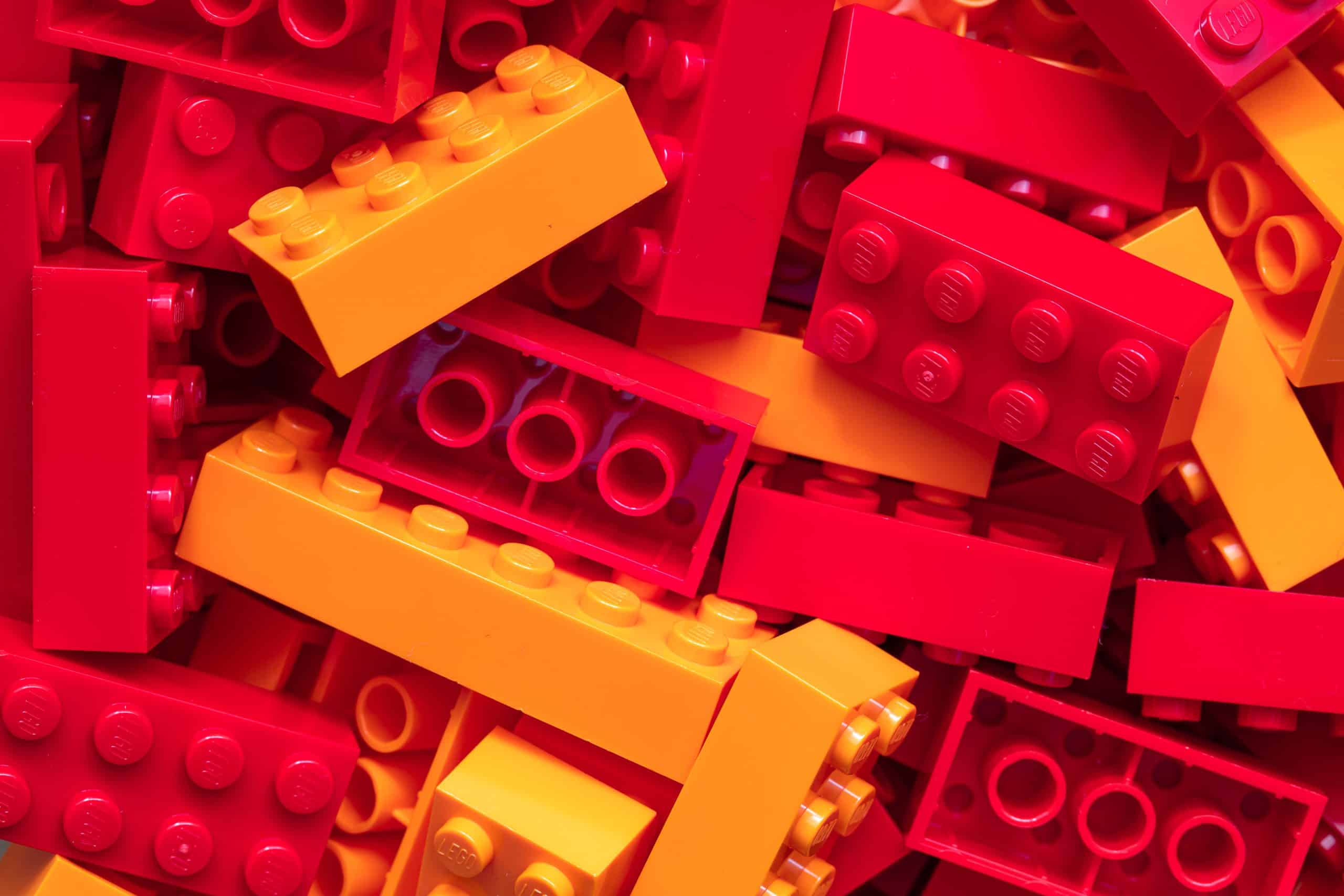
The iconic LEGO brick. Credit: Ruslan, stock.adobe.com
Founded in 1932 by Ole Kirk Christiansen, LEGO began as a wooden toy manufacturer in Billund, Denmark. The now-iconic plastic interlocking brick was patented in 1958. What makes it exceptional isn’t just the satisfying click, but the fact that every brick since 1958 is compatible with those produced today. (Patent Reference.)
This commitment to backward compatibility reflects a rare respect for both legacy and user investment. This principle is something many companies could learn from. It’s what defines LEGO’s modular design strategy, and is a LEGO case study in product longevity.

Creativity as Product DNA in LEGO case study
LEGO’s design philosophy is elegantly simple: enable others to create. From open-ended building sets to licensed kits, the company provides a platform rather than a fixed solution. The bricks are the tools, and what’s made is left to the builder.
This places LEGO at the forefront of creativity-first product development. A study published in Science even suggested that LEGO play increases spatial and cognitive reasoning in children. It’s a very specific use case, but there’s perhaps a lesson for product designers here, too: if the end-user themselves can collaborate so immersively in the product’s most basic function, that’s remarkably powerful. It even engenders a sense of shared ownership in the brand.
A Business on the Brink… Then Rebuilt

A very LEGO business meeting. Source: Ruslan, stock.adobe.com
By 2003, LEGO was facing bankruptcy. Licensing costs had spiraled, set designs had grown too complex, and innovation had slowed. The LEGO Group was $800 million in debt. But then came a stunning reversal.
It’s incredibly tempting to diversify and expand a product range under such circumstances, hoping to snatch interest in any way possible. But it’s often the wrong move (as anyone who’s seen some of the oversized menus on Gordon Ramsay’s Kitchen Nightmares can attest).
Under CEO Jørgen Vig Knudstorp, LEGO simplified its product line, focused on core systems, re-engaged adult fans, and invested in digital tools. LEGO became the world’s most powerful brand by 2015, according to Brand Finance. Harvard Case Study
This turnaround stands as a LEGO business transformation case study in lean innovation, brand clarity, and respecting product DNA.
Digital Transformation, Powered by Community
From LEGO Ideas (user-submitted set concepts) to Minecraft-style apps and programmable robotics kits, LEGO is a brand that lets its users steer.
Its success in digital transformation is rooted in community-led product development. Users aren’t just consumers, but contributors. In this sense, LEGO’s most valuable asset is the participation of its customers.
This is central to LEGO’s co-creation innovation strategy.
Sustainability, Brick by Brick
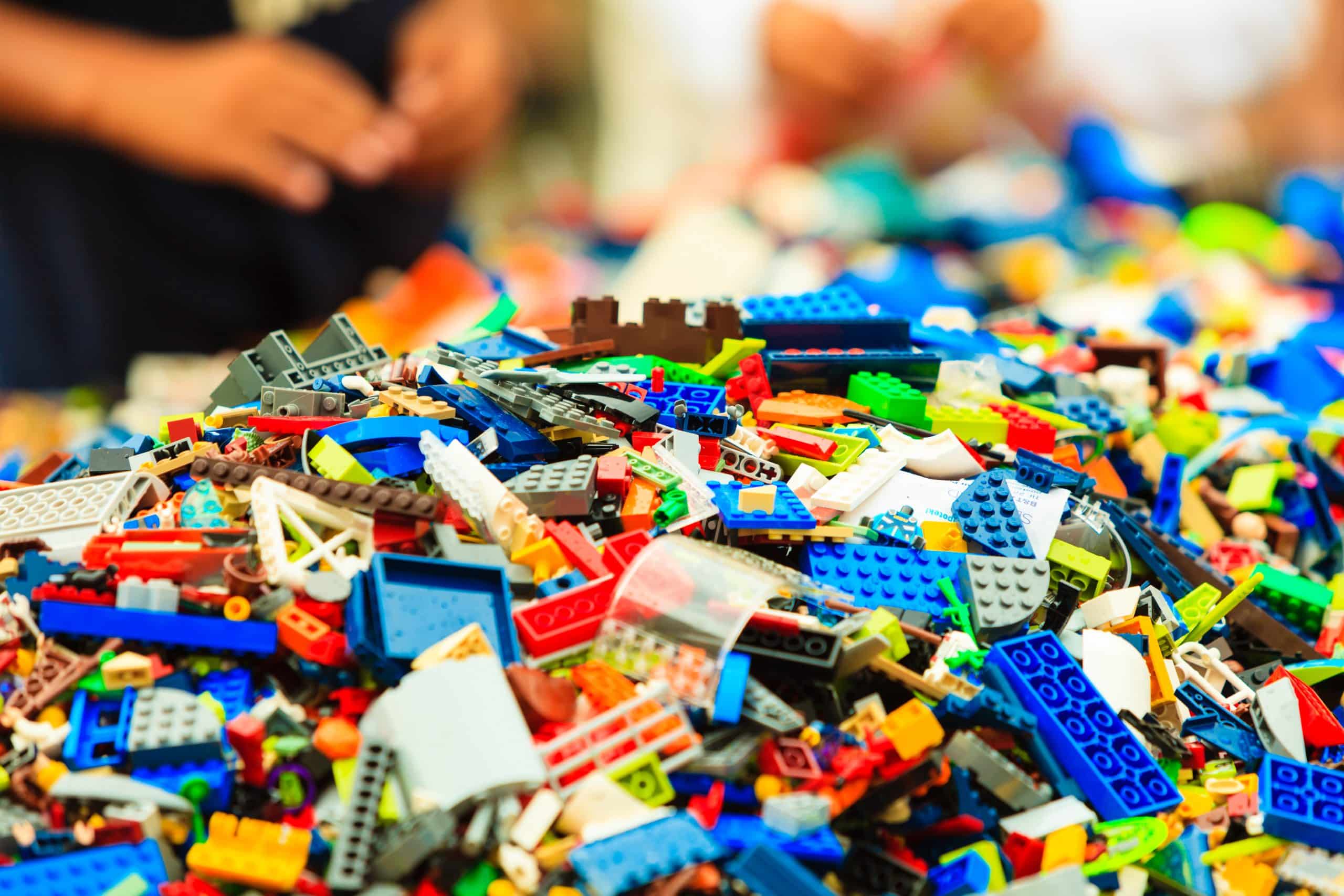
LEGO can be used and re-used endlessly. Source: Voyagerix, stock.adobe.com
LEGO’s pledge to use sustainable materials by 2030 was publicly announced in its 2020 Responsibility Report; see their Sustainability Commitment.
LEGO has introduced bricks made from sugarcane-based polyethylene and is testing prototypes made from recycled PET plastic bottles. These sustainable alternatives are undergoing rigorous quality testing to meet the high standards set since the brick’s invention.
LEGO’s sustainable product innovation plan is an R&D challenge with long-term brand equity implications.
Lessons for Product Leaders
-
Design for compatibility — Build futures that respect the past.
-
Empower your users — Creativity breeds loyalty.
-
Simplify to survive — Focus is an essential strategy, and never more so than when times are tough.
-
Co-create the roadmap — Let your community steer innovation.
-
Make sustainability real — Don’t bolt it on, build it in, so it’s really part of company DNA.
Conclusion: A Legacy to Build On
This LEGO case study demonstrates how LEGO is true play in action, speaking a language of possibility where the user collaborates in the conversation. It’s a brand built on design precision, imaginative freedom, and strategic resilience.
At The DaVinci Awards®, we honour exactly this kind of excellence: products that invite participation, brands that evolve, and companies that never forget the people behind their success.
LEGO clicked, and the world built around it.

A smiling minifigure. Credit: Rafael Ben-Ari, stock.adobe.com