Introduction — “The Pikachu Standard”
February 27, 2026, marks the 30th anniversary of a cultural and commercial juggernaut that has redefined the boundaries of intellectual property. From its humble origins as a pair of Game Boy titles in 1996, Pokémon has evolved into the world’s most valuable media franchise, with an estimated lifetime revenue exceeding $150 billion. For business leaders, the “Pikachu Standard” offers a masterclass in how to nurture a brand after three decades of digital disruption.
The Pokémon Company (TPC) has navigated the transition from 8-bit handhelds to global augmented reality phenomena like Pokémon GO—which itself celebrates a decade of market dominance this year—without losing its core identity. This article dissects the strategic pillars of the Pokémon ecosystem, offering a roadmap for brand and product leaders looking to build “everlasting” franchises in an era of fleeting consumer attention.
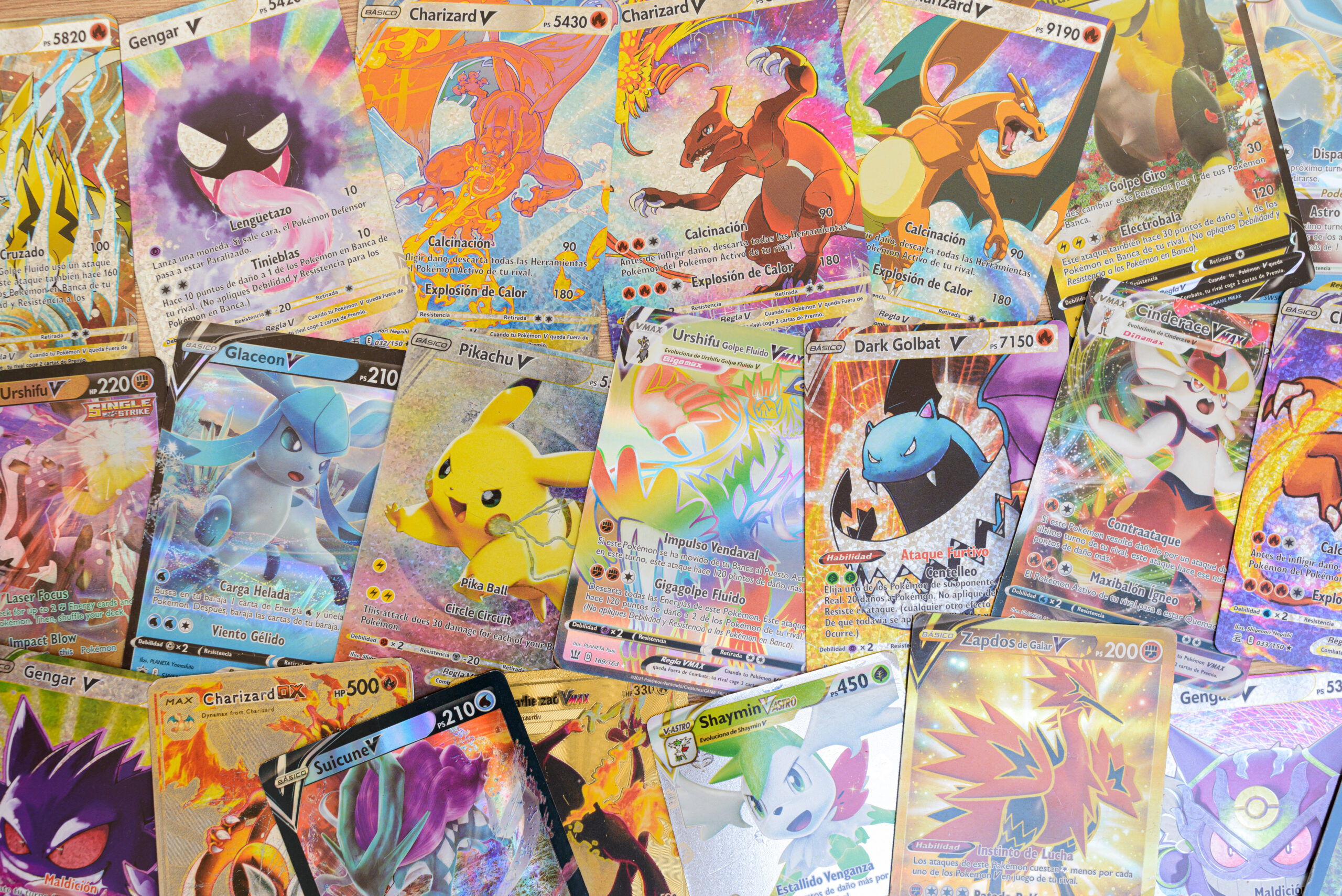
Pokémon cards. Credit: selugallego - stock.adobe.com
The Power of “Everlasting” Brand Strategy
While many entertainment properties flare up as fads and fade into obscurity, Pokémon was intentionally designed for the long haul. Tsunekazu Ishihara, President of The Pokémon Company, has famously steered the ship with a single, grounding question: “Is that really in the best interest of Pokémon?” This fastidious commitment to the brand’s health over short-term quarterly gains has allowed it to transcend the typical lifecycle of a media product.
By treating the brand as a living entity (one that requires constant “nurturing” rather than just “exploitation”) TPC has maintained a high barrier to entry for competitors. The strategy is built on the concept of the “Media Mix,” where every product serves as a gateway to another. A child might start with the anime, move to the trading cards, and eventually become a lifelong consumer of the mainline video games.
Multi-Generational Resonance and the “Nostalgia Bridge”
One of Pokémon’s most significant achievements is its ability to “grow up” with its audience while remaining accessible to new generations. In 2026, the demographic profile of a Pokémon consumer is remarkably diverse; the children who played Pokémon Red in the 90s are now parents introducing their own children to the franchise.
TPC leverages this through “nostalgia-fueled marketing.” For the 30th anniversary, the release of Pokémon FireRed and LeafGreen on the Nintendo Switch serves as a bridge, allowing older fans to relive their childhoods while using modern hardware. This dual-track approach ensures that the brand captures the “disposable income” of adults without sacrificing the “growth potential” of the youth market.
Product Evolution: The “Pokécology” of Innovation
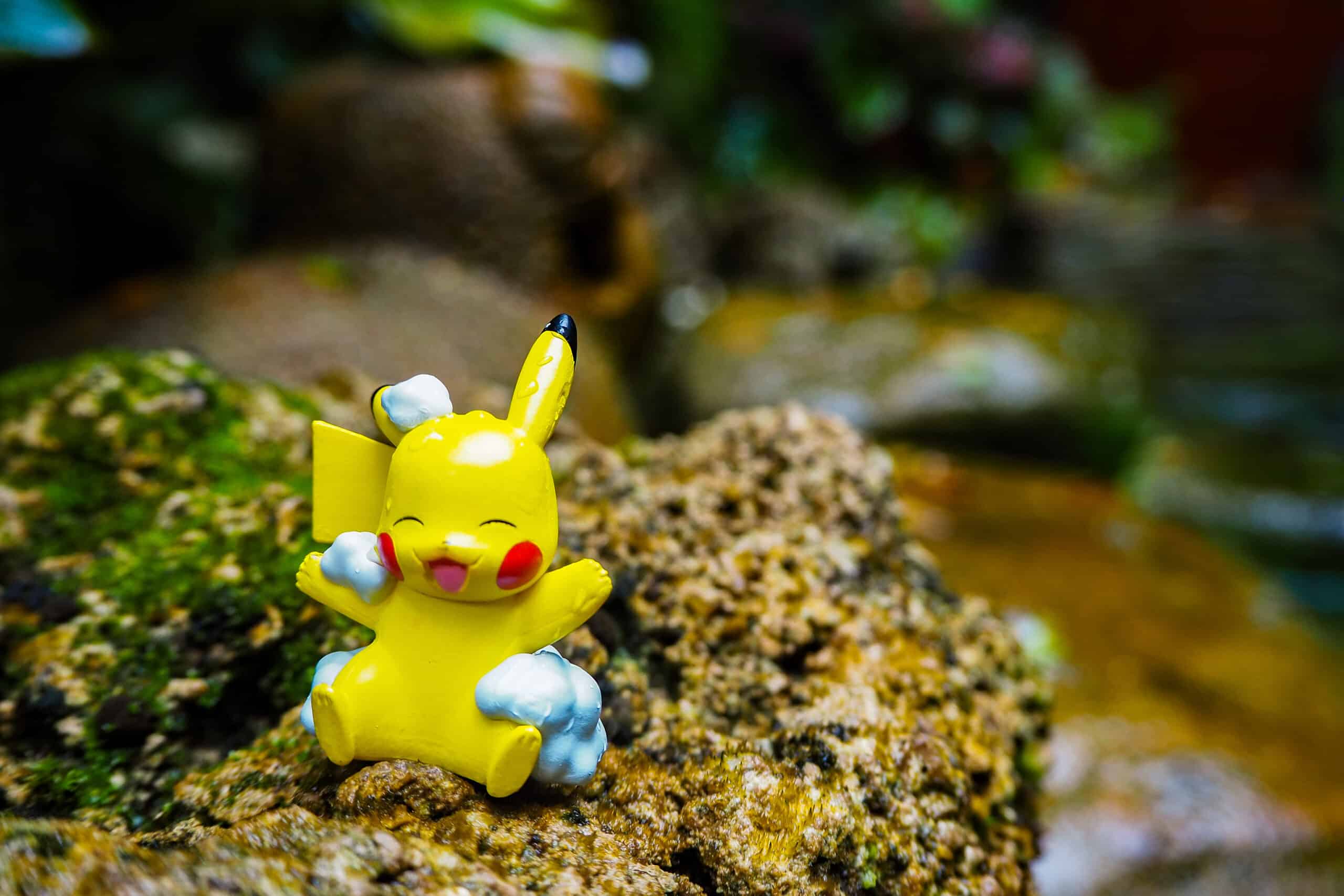
Pikachu on tour. Credit: dream - stock.adobe.com
Innovation at The Pokémon Company is rarely about being “first”; it is about being the most “integrated.” The 2026 collaboration with the Natural History Museum for the “Pokécology” pop-up illustrates how the brand can pivot into education and environmental awareness while staying true to its roots of “collecting and discovering.”
Product leaders should note how TPC uses its IP to explore new verticals: stationery, luxury fashion, and even high-end collectibles. By constantly re-evaluating their product “personas,” they ensure that the brand remains a “reflection of social identity” for its fans, whether they are at a competitive tournament in Beijing or a museum in London.
Operational Scalability: Lessons from the Cloud
The massive success of Pokémon GO in 2016 served as a wake-up call for the organization regarding technical infrastructure. To manage hundreds of millions of concurrent users, TPC migrated its customer-facing platforms almost entirely to Amazon Web Services (AWS). This move was not just about cost-cutting; it was about “business enablement.”
For modern business leaders, the Pokémon case study proves that brand promise is only as strong as your uptime. If a service goes down, the brand erodes. By prioritizing visibility and scalability, TPC ensures that their “digital world” is as reliable as their physical products, allowing developers to move fast without breaking the consumer’s trust.
Merging the Virtual and Physical Realms
Long before “The Metaverse” became a buzzword, Pokémon was blending digital play with physical social interaction. The core mechanics of the franchise—collecting, raising, trading, and battling—require players to engage with others. Pokémon GO famously “walked consumers to the doorsteps” of physical businesses, creating an experiential marketing platform that benefited local economies.
In 2026, this “phygital” strategy continues with eBay Live auctions and in-person “What’s Your Favourite?” campaigns. By removing the boundaries between online and offline efforts, TPC creates a compelling story that drives and engages people in their actual lives, not just behind a screen.
Global Localization vs. Brand Consistency
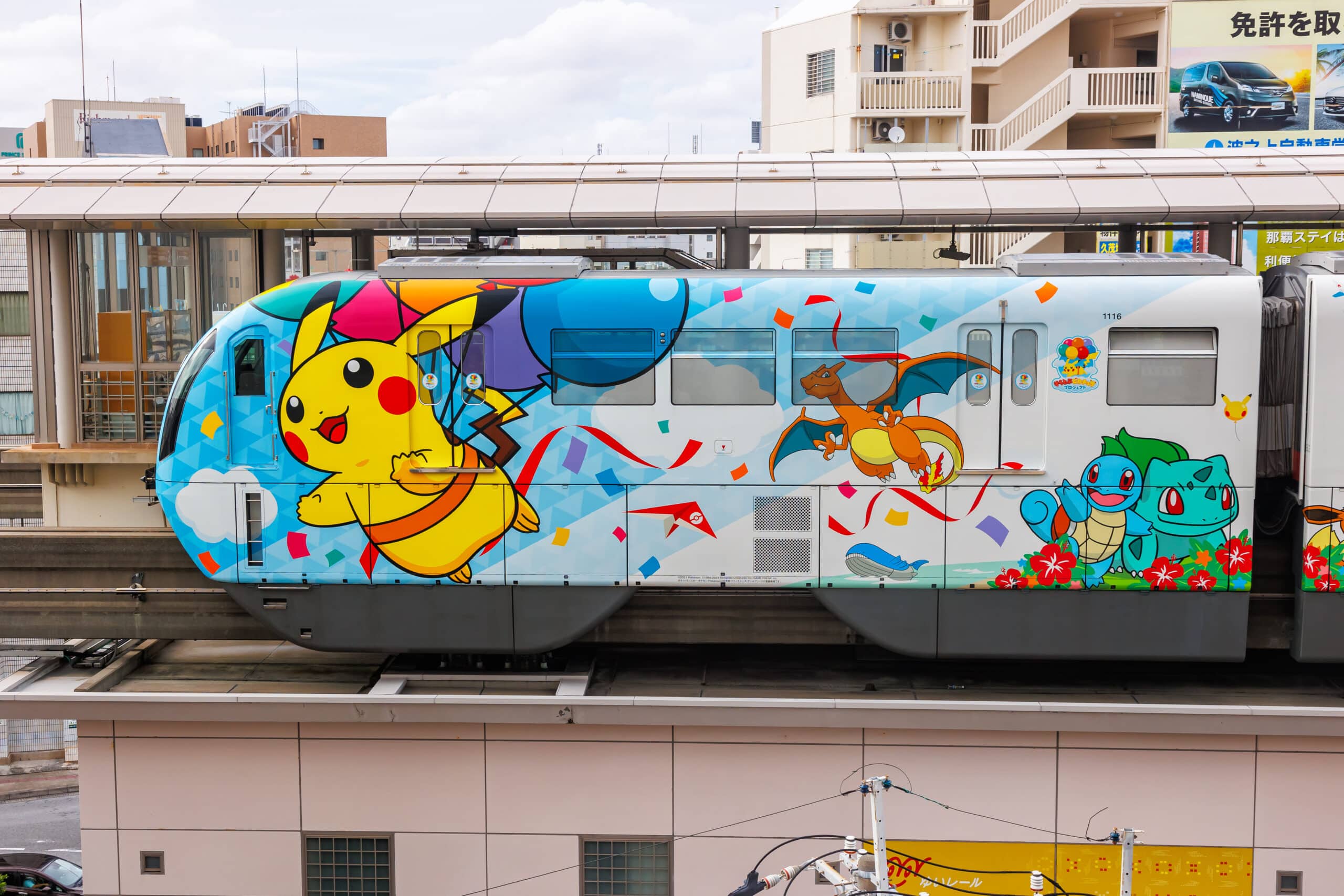
Okinawa Monorail with Pokemon in Naha, Japan. Credit: Markus Mainka - stock.adobe.com
How does a Japanese brand become a local icon in the UK, the US, and China simultaneously? The answer lies in TPC’s sophisticated localization strategy. While the core “soul” of the Pokémon remains consistent, the names, colors, and even the clothing of characters are adapted to resonate with local cultures.
For example, Pikachu might be dressed in traditional Indian attire for the Indian market, or use red and gold color schemes in China to signify luck and wealth. This “Global-Local” balance ensures that the brand feels “familiar” yet “bespoke” to every market it enters, a vital lesson for brand leaders eyeing international expansion.
“Gotta Catch ‘Em All!”: Owning the Value Chain
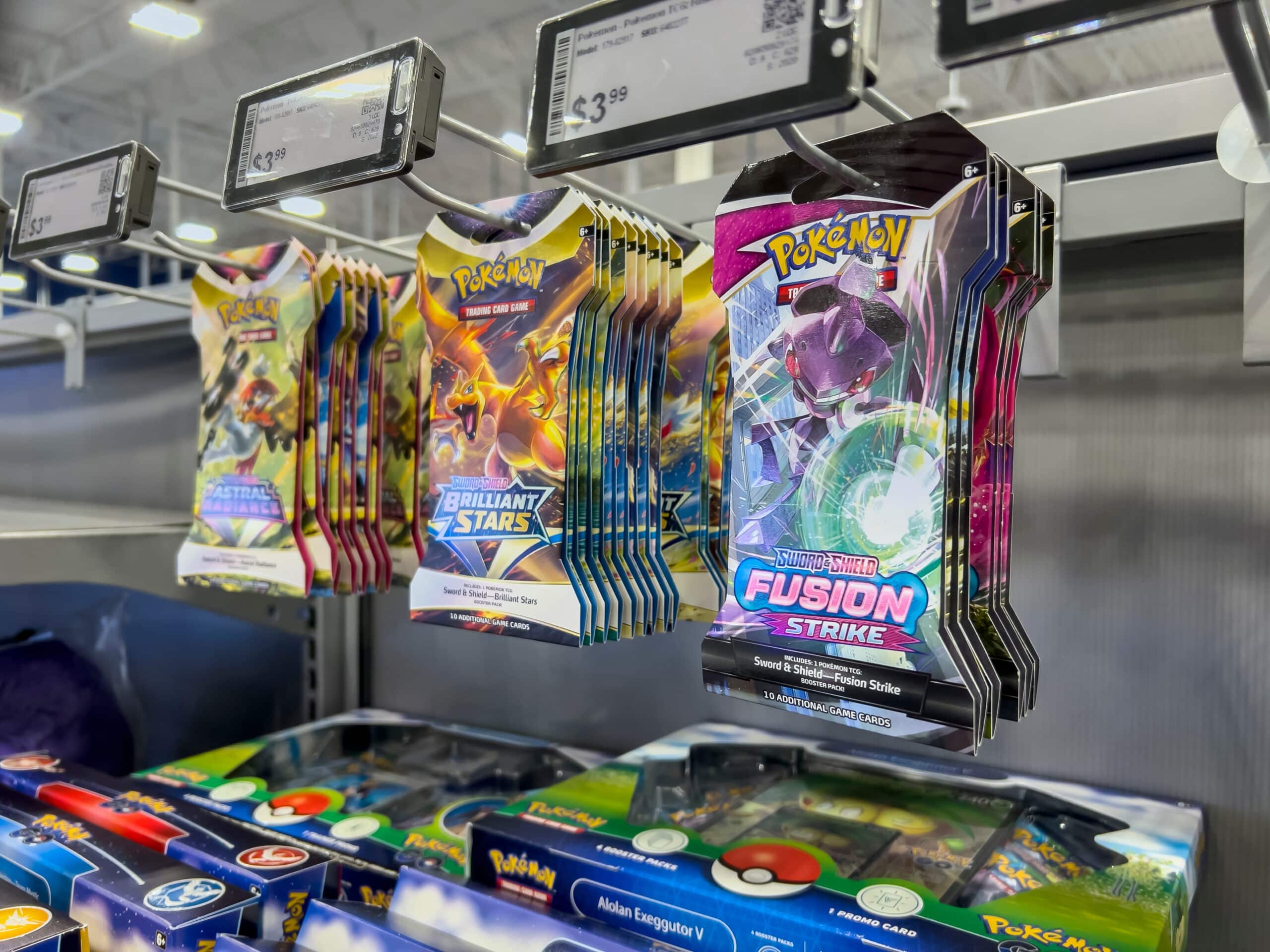
Pokémon cards. Credit: ColleenMichaels - stock.adobe.com
In February 2026, The Pokémon Company International announced the acquisition of Excell Brands, their largest US distributor. This move signals a shift from mere licensing to total “category management.” By owning the distribution and fulfillment of their trading cards and collectibles, TPC can ensure a premium customer experience from the factory to the retail shelf.
This vertical integration allows the brand to maintain quality control and gather deeper insights into consumer behavior. For business leaders, this move highlights the importance of controlling the ecosystem rather than just the product.
The “Talent Agency” Model of Brand Management
Tsunekazu Ishihara describes The Pokémon Company not as a traditional manufacturer, but as a “talent agency” for its characters. This mindset shifts the focus from selling a game to nurturing a character. If Pikachu is a “talent,” then TPC’s job is to decide which “roles” (products, movies, or collaborations) will best serve the character’s long-term career.
This approach prevents the over-exposure or “cheapening” of the brand. Every collaboration, from LEGO to the Natural History Museum, is carefully vetted to ensure it adds value to the “talent’s” reputation. It is a subtle but profound shift in how product managers should view their assets.
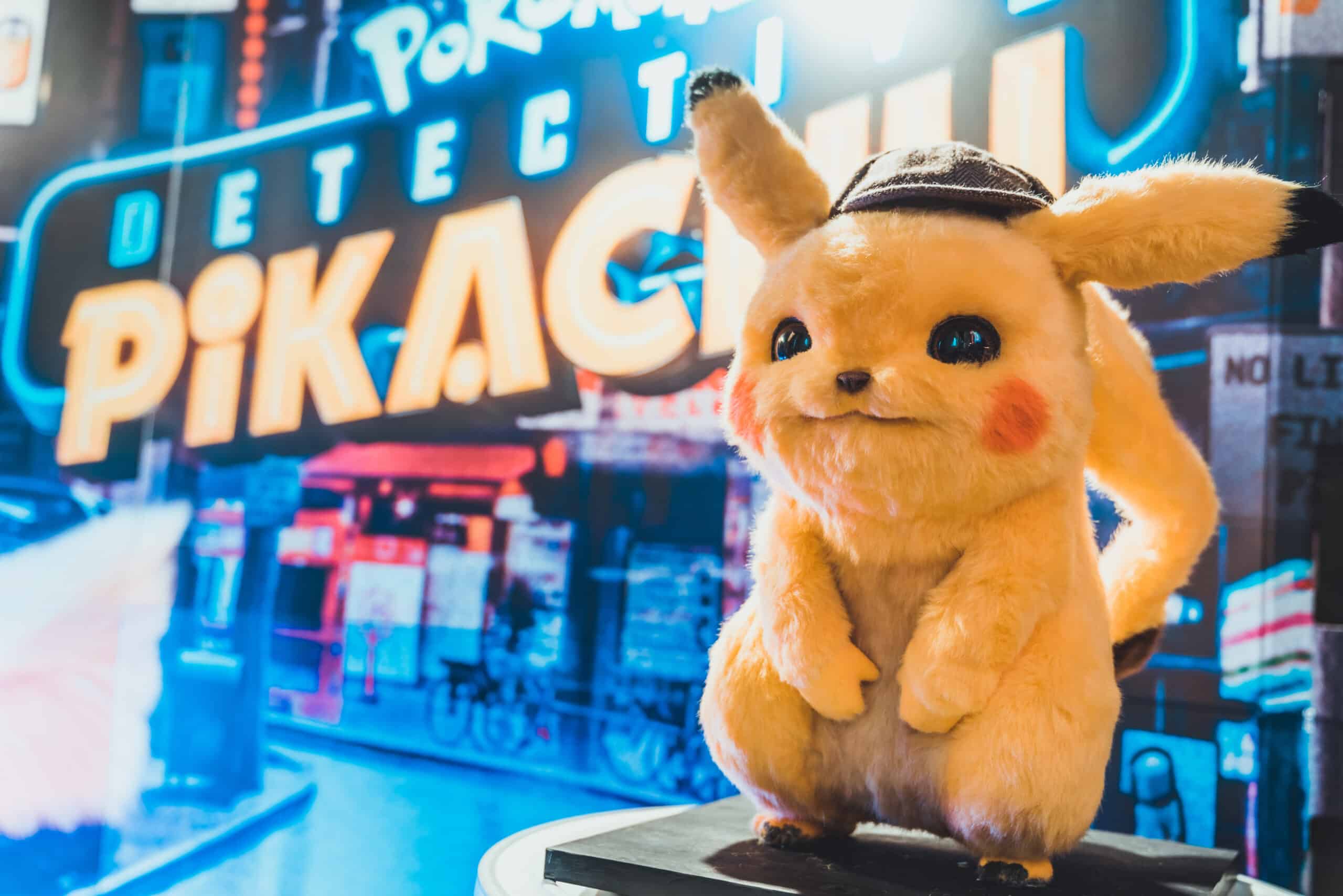
Detective Pikachu. Credit: Urbanscape - stock.adobe.com
Visual Identity and the “1,000 Logo” Milestone
For the 30th anniversary, TPC released over 1,000 unique logos, one for almost every species of Pokémon. This massive design undertaking serves a specific purpose: individual fan recognition. By creating a specific asset for a fan’s favorite “niche” character, TPC fosters a level of personal loyalty that a generic corporate logo cannot achieve.
In the digital age, customization and personal relevance are the new currencies of brand engagement. TPC’s ability to scale its visual identity while maintaining “brand-consistent storytelling” is a benchmark for creative directors and marketing leaders worldwide.
Lessons for Business, Brand, and Product Leaders
The success of Pokémon over 30 years provides a blueprint for any leader looking to build a resilient and evolving brand. Whether you are managing a software suite or a consumer good, the principles of the “Pokémon Way” are universal.
Lessons for Business Leaders:
- Prioritize Brand Health Over Short-Term Gains: Use the “Is this in the best interest of the brand?” filter for all strategic decisions.
- Vertical Integration: Own the touchpoints. By acquiring key partners in the distribution chain, you protect the customer experience.
Lessons for Brand Leaders:
- The Nostalgia Bridge: Build products that grow with your audience. Don’t abandon your “legacy” users in the pursuit of the “new.”
- Localization is Empathy: Adapting your brand to local cultural markers (colors, customs, names) is building social identity.
Lessons for Product Leaders:
- Platform Thinking: Design products that encourage social interaction and “trading” (of ideas, data, or goods). Community is the ultimate retention tool.
- Scalability as Brand Promise: High-growth products require world-class infrastructure. Technical debt is a brand risk.
As we celebrate World Pokémon Day 2026, the franchise stands as a testament to the power of a well-nurtured idea. By focusing on the “universal functions” of human connection (collecting, sharing, and growing) The Pokémon Company has moved beyond product design into creating a global language. Precisely the kind of intense, sustained and remarkable business and product innovation we love to showcase at The DaVinci Awards®.